


Can titanium round rods be used in the electronics industry?
In recent years, the electronics industry has been constantly evolving, with a growing demand for high - performance materials. As a leading supplier of titanium round rods, I am often asked whether titanium round rods can find applications in the electronics industry. In this article, I will delve into the characteristics of titanium round rods and explore the viability of their use in the electronics sector.
Characteristics of Titanium Round Rods
Titanium is a remarkable metal known for several outstanding properties. First and foremost, it has excellent corrosion resistance. Titanium can form a stable oxide layer on its surface, which protects it from various corrosive substances such as acids, alkalis, and salts. This makes titanium round rods suitable for use in environments where corrosion is a concern.
Secondly, titanium has a high strength - to - weight ratio. It is as strong as many steels but weighs nearly half as much. This feature is extremely valuable in applications where weight reduction is crucial without sacrificing strength, such as in portable electronic devices.
Another important property of titanium is its biocompatibility. While this is more relevant in the medical field, it also indicates that titanium is a relatively inert material, which is beneficial in some electronic applications where chemical stability is essential.
Moreover, titanium has good heat - resistance. It can maintain its mechanical properties at relatively high temperatures, which is highly desirable in the electronics industry as many electronic components generate heat during operation.
Applications of Titanium Round Rods in the Electronics Industry
Casings and Frames
One of the most obvious applications of titanium round rods in the electronics industry is for the production of casings and frames. With the increasing popularity of slim and lightweight electronic devices such as laptops, tablets, and smartphones, manufacturers are constantly looking for materials that can provide both protection and a sleek appearance. Titanium round rods can be machined into casings and frames due to their high strength and low weight. For example, a laptop with a titanium frame can be more durable and less prone to bending or damage compared to one with a plastic or aluminum frame.
Moreover, the corrosion - resistant property of titanium ensures that the casing remains in good condition even when exposed to different environmental conditions. You can find Top Titanium Round Bar in the market, which can be well - utilized for this purpose. These round bars offer high - quality raw materials for manufacturing such casings and frames.
Heat Dissipation Components
As mentioned earlier, titanium has good heat - resistance. In the electronics industry, heat dissipation is a critical issue. Many electronic components, especially high - performance processors and graphics cards, generate a large amount of heat during operation. If this heat is not dissipated effectively, it can lead to reduced performance and even damage to the components.
Titanium round rods can be made into heat sinks or other heat dissipation components. Their relatively high thermal conductivity, combined with their light weight, makes them a good choice for these applications. The Ti6Al4V Titanium Alloy Bar is a popular alloy that can be used for heat dissipation purposes. It has enhanced mechanical properties compared to pure titanium, which is beneficial for the longevity and performance of heat dissipation components.
Electrical Contacts
In some electronic circuits, electrical contacts need to have good conductivity, corrosion resistance, and mechanical strength. Titanium, although not as conductive as copper or silver, still has a certain level of electrical conductivity. Its corrosion - resistant property makes it suitable for use in electrical contacts, especially in environments where corrosion could affect the performance of the contacts.
For example, in outdoor electronic devices or those in industrial settings, the contacts may be exposed to moisture, chemicals, or other corrosive agents. Titanium round rods can be used to manufacture these contacts to ensure their long - term reliability. The Gr5 High Strength Titanium Alloy Bar is a high - strength alloy that can maintain the shape and performance of the contacts even under mechanical stress.
Advantages of Using Titanium Round Rods in the Electronics Industry
Using titanium round rods in the electronics industry offers several advantages.
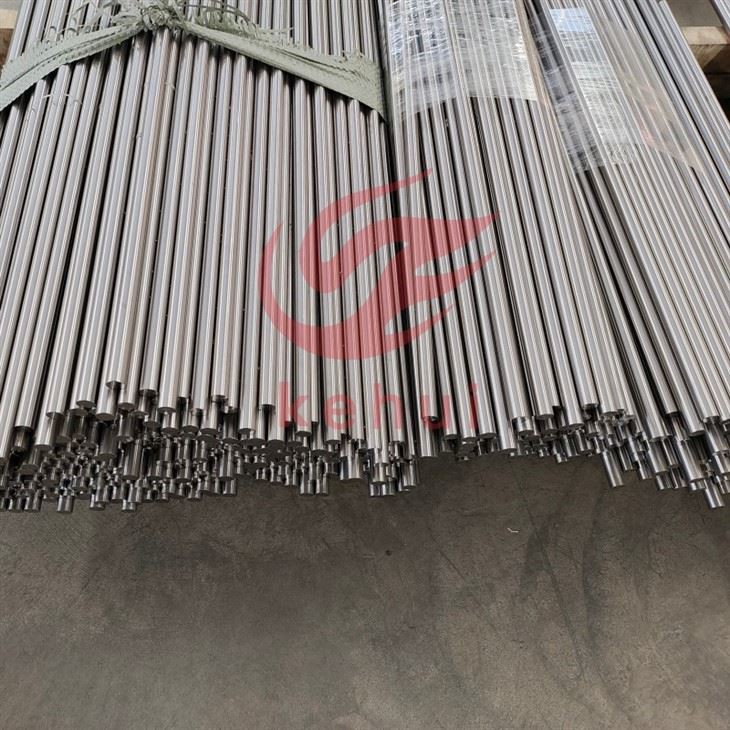

Weight Reduction: In an era where portability is highly valued, the light weight of titanium helps in reducing the overall weight of electronic devices. This is especially important for wearable electronics, smartphones, and laptops, where users prefer devices that are easy to carry around.
Durability: The high strength and corrosion resistance of titanium ensure that the electronic devices are more durable. They can withstand physical impacts, environmental factors, and chemical exposure better than devices made from other materials. This reduces the need for frequent repairs or replacements, providing cost - savings for both manufacturers and consumers in the long - run.
Aesthetics: Titanium has a unique and attractive appearance. It can be polished to a high shine, giving electronic devices a premium and modern look. This can enhance the market appeal of the products and distinguish them from competitors.
Challenges and Limitations
Despite the many advantages, there are also some challenges and limitations to using titanium round rods in the electronics industry.
High Cost: Titanium is generally more expensive than other commonly used metals in the electronics industry such as aluminum and steel. The high cost of raw materials, combined with the relatively complex processing technology required for titanium, can increase the production cost of electronic devices. This may limit the widespread adoption of titanium in some cost - sensitive applications.
Low Electrical Conductivity: As mentioned earlier, titanium has lower electrical conductivity compared to metals like copper and silver. In applications where high electrical conductivity is crucial, such as in power transmission lines within electronic devices, titanium may not be the first choice.
Conclusion
In conclusion, titanium round rods can indeed be used in the electronics industry, with a wide range of applications including casings, heat dissipation components, and electrical contacts. Their unique properties such as corrosion resistance, high strength - to - weight ratio, and heat - resistance make them suitable for many electronic applications. However, the high cost and relatively low electrical conductivity are factors that need to be considered.
As a supplier of titanium round rods, I believe that with the continuous development of technology and the optimization of manufacturing processes, the cost of using titanium in the electronics industry can be gradually reduced. If you are interested in exploring the use of titanium round rods in your electronic products or have any questions about our products, I encourage you to contact us for further discussion and procurement negotiations.
References
- Callister, W. D., & Rethwisch, D. G. (2011). Materials Science and Engineering: An Introduction. Wiley.
- Lutjering, G., & Williams, J. C. (2007). Titanium. Springer.