

Latest Products



Contact Us
- Gaoya industrial park, High-tech Development Zone, Baoji city, Shaanxi province, China.
- +86-917-3381220
Baoji Kehui Titanium Industry Co., Ltd. was established in March 2011, and its subsidiary, Baoji Juxinyuan New Materials Co., Ltd., was established in May 2017. It is ahigh-tech enterprise focusing on R&D, production and sales of pipes, rods, plates, wires, forgings and various chemical corrosion-resistant equipment of rare and precious metals such as titanium and titanium alloy, zirconium and zirconium alloy, adhering to the collection of scientific research, manufacturing, sales and service as one of the modern new concept.
Why Choose Us?
High quality
Our products are manufactured or executed to very high standards, using the finest materials and manufacturing processes.
Competitive Price
We offering a higher-quality product or service at an equivalent price. As a result we have a growing and loyal customer base.
Rich experience
Our company has many years of production work experience. The concept of customer-oriented and win-win cooperation makes the company more mature and stronger.
Advanced equipment
With a complete production process of smelting, forging, heat treatment, machining, surface treat.
 ASTM B265 Titanium And Titanium Alloy Sheet
Name:Titanium SheetGrade:GR1,GR2,GR3,GR4,GR12,GR5Brand:KEHUIStandard:ASTM B265,ASTM F136MOQ: 1 kg or 1 piece
Add to Inquiry Ti15333 Cold Rolled Titanium Foil
Name:Ti15333 Titanium FoilGrade:Ti15333,TB5Brand:KEHUIStandard:ASTM B265
Add to Inquiry ASTM F136 Ti6Al4V Medical Titanium Alloy Sheet Strip Foil
Name:Medical Titanium Alloy SheetGrade:GR1,GR2,GR3,GR4,GR5Brand:KEHUIStandard:ASTM F136,ASTM F67-13MOQ: 1 kg or 1 piece
Add to Inquiry GR12 Titanium Plate
Name:Titanium PlateGrade:GR1,GR2,GR5,GR12Brand:KEHUIStandard:ASTM B265MOQ: 1 kg or 1 piece
Add to Inquiry Ti6Al4V Titanium Alloy Foil
Name:Ti6Al4V Titanium Alloy FoilGrade:GR1,GR2,GR5,GR12Brand:KEHUIStandard:ASTMB265-2015MOQ: 1 kg or 1 piece
Add to Inquiry GR1 Hot Rolled Titanium Strips
Name:GR1 Titanium StripsGrade:GR1,GR2,GR12Brand:KEHUIStandard:ASTM B265
Add to Inquiry Cold Rolled Titanium Sheets
Name:Titanium SheetGrade:GR1,GR2,GR5,GR12Brand:KEHUIStandard:ASTM B265,AMS 4902,ASME SB265,ASTM F136MOQ: 1 kg or 1 piece
Add to Inquiry Hot Rolled Titanium Plate
Name:Titanium PlateGrade:GR1,GR2,GR5,GR12Brand:KEHUIStandard:ASTM B265,AMS 4902,ASME SB265,ASTM F136MOQ: 1 kg or 1 piece
Add to Inquiry Titanium Alloy Plate Titanium Product
Name: Titanium SheetGrade:GR1,GR2,GR3,GR4,GR5,GR7,GR9,GR11,GR12,GR23,Ti-15333,Ti-1023,BT20Place of Origin: Baoji, Shaanxi, ChinaImplementation standards:ASTM B265,AMS 4901,AMS 4911,ASTM F67,ASTM
Add to Inquiry Ti-6Al-4V Titanium Sheet
Excellent corrosion resistance and fatigue strength. High-strength and lightweight: Used in aerospace, medical, and automotive. Biocompatibility: Use in Medical implants. Good thermal performance:
Add to Inquiry GR1 Cold Rolled Titanium Strips
Name:GR1 Titanium StripsGrade:GR1,GR2,GR12Brand:KEHUIStandard:ASTM B265
Add to Inquiry Titanium Plate GR3
Name:Titanium plate/sheetGrade:GR1、GR2、GR3、GR4、GR5、GR7、GR9、GR11、GR12、GR23Brand:KEHUIStandard:ASTM B265、ASTM F67、AMS4901、AMS4902、AMS4911、ASTM F1295、ASTM F136MOQ: 1 kg or 1 piece
Add to Inquiry
What is Titanium Plate?
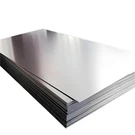
Titanium plate is a kind of metal sheet made of pure titanium or titanium alloy, which is characterized by excellent corrosion resistance, high strength, low density and good biocompatibility. Its executive standards include national standards GB/T3621-2007, GB/T13810-2007 and American standards ASTM B265, ASTM F136, ASTM F67, AMS4928. titanium plate has a density of 4.51g/cm³, a specific gravity of 4.5, and a melting point of 1,668°C. It has a hardness of HB150-HB340 and has a metallic luster and matte color and is opaque.
Titanium sheet is used in a wide range of applications including, but not limited to, the aerospace, chemical, petroleum, machinery and medical industries. In the medical field, titanium sheet is particularly used, due to its excellent biocompatibility and corrosion resistance, and is commonly used in the manufacture of human implants, among other things. In addition, titanium plate also has excellent metallic texture and color, is internationally popular jewelry material, highly respected by young white-collar workers.
Titanium plate processing performance is good, can be various forms of welding, welded joints of the strength of up to 90% of the strength of the base metal. Its machining performance is still good, need to use carbide cutting tools, with large travel, slow speed, and sufficient cooling.TC4 titanium plate is one of the most widely used titanium alloys, with good corrosion resistance and thermal stability, suitable for parts working for long periods of time below 400 ° C. The titanium plate is also used in the manufacture of jewelry.
Benefits of Titanium Plate


Corrosion resistance
One of the most significant advantages of titanium plates in marine environments is their exceptional corrosion resistance. Unlike other metals, titanium does not corrode when exposed to seawater or saltwater environments. This corrosion resistance ensures the longevity and durability of titanium plates, making them ideal for marine applications.
Lightweight design for enhanced efficiency
Titanium plates offer a unique advantage in marine environments with their lightweight design. Despite their impressive strength, titanium plates are significantly lighter than steel, aluminum, or other metals commonly used in marine applications. This lightweight nature not only reduces the overall weight of marine structures but also enhances fuel efficiency for ships and other marine vessels.
Excellent heat resistance
Marine environments often subject materials to extreme temperatures, both hot and cold. Titanium plates exhibit excellent heat resistance, allowing them to withstand high temperatures without deformation or loss of strength. This advantage is particularly crucial for marine structures exposed to intense heat, such as exhaust systems or engine components.
Superior biocompatibility for marine life
When it comes to marine environments, it is essential to consider the impact on marine life. Titanium plates are known for their superior biocompatibility, meaning they do not harm or negatively impact marine organisms. This advantage makes titanium plates an excellent choice for marine structures that aim to minimize their ecological footprint.
Resistance to pitting and crevice corrosion
In addition to overall corrosion resistance, titanium plates also exhibit exceptional resistance to pitting and crevice corrosion. Pitting corrosion occurs when localized damage leads to the formation of small pits on the metal surface, while crevice corrosion occurs in narrow gaps or crevices. The resistance of titanium plates to such types of corrosion further enhances their durability in marine environments.
Low maintenance requirements
Another advantage of titanium plates in marine environments is their low maintenance requirements. Due to their corrosion resistance and durability, titanium plates do not require frequent maintenance or replacement. This advantage not only saves time and resources but also reduces the downtime associated with maintenance activities.
Longevity and cost effectiveness
Titanium plates offer excellent longevity in marine environments, thanks to their resistance to corrosion and other forms of degradation. This longevity translates into cost-effectiveness, as structures made from titanium plates require less frequent repairs or replacements. Over the long term, the initial investment in titanium plates proves to be a wise choice for marine applications.
Flexibility and formability
Despite their exceptional strength, titanium plates offer flexibility and formability. This advantage allows manufacturers to shape and mold titanium plates into complex and intricate designs, meeting the specific requirements of marine applications. The flexibility of titanium plates also facilitates ease of installation and reduces the need for additional components.
Compatibility with advanced coatings
Many marine structures require protective coatings to enhance their durability and resistance to corrosion. Titanium plates are highly compatible with various advanced coatings, further improving their performance in marine environments. This compatibility ensures that the advantages of titanium plates can be maximized, providing even greater protection against the harsh conditions of the ocean.

Titanium plates are available in different grades,each with its own unique properties and applications.The most common titanium plate grades include Grade 1,Grade 2,Grade 5 and Grade 7.
Grade 1 titanium plate is the purest form of titanium and the most malleable and formable grade.It is commonly used in applications requiring corrosion resistance,such as chemical processing equipment and marine components.
Grade 2 titanium plates are slightly stronger than Grade 1 and also offer excellent corrosion resistance.It is commonly used in aerospace,automotive and construction applications.
Grade 5 titanium plate,also known as Ti-6Al-4V,is the most widely used titanium alloy.It combines the strength of titanium with the added benefits of aluminum and vanadium.Grade 5 titanium plates are commonly used in aerospace,medical and industrial applications that require high strength and corrosion resistance.
Grade 7 titanium plate is a corrosion-resistant grade with excellent weldability.It is commonly used in chemical processing equipment,heat exchangers and desalination plants.
Application of Titanium Plate
Automotive
Titanium sheet is often used in the automotive industry, particularly in the production of racing cars. It is also used in the manufacture of car and bike parts, such as exhaust systems, due to its resistance to corrosion.
Aerospace
As titanium is strong yet lightweight, it is the perfect material for use in the aerospace industry. It is used extensively in aircraft construction and has even been used in the construction of space satellites.
Architecture
Titanium sheet can also be used in architecture, particularly for cladding purposes. It gives buildings a modern look and feel and can also help to protect against the elements.
Medical
Titanium is an important material in the medical industry due to its ability to withstand high temperatures and its non-toxic nature. It is often used in the production of implants and other medical devices.
Raw material preparation: Select high quality titanium sponge as the raw material for titanium alloy sheet.
Melting: High temperature melting of raw materials to obtain uniform titanium ingots.
Forging: The titanium ingot is heated and then forged into slabs of specified dimensions.
Hot Rolling: Rolling of slabs at high temperatures to reduce thickness and improve internal organization.
Cold Rolling: Further rolling to achieve the required thickness and dimensional accuracy.


Annealing: To eliminate internal stresses and improve the plasticity and toughness of the plate.
Surface treatment: Such as pickling, polishing, etc., in order to improve the surface quality.
Quality Inspection: Perform various tests, including chemical composition analysis, mechanical property test, dimensional accuracy check, etc.
Cutting and processing: Cut the titanium sheet into specific size and shape according to customer's requirement.
Packaging: Packaging the finished products to protect the sheets from damage during transportation and storage.
How to Maintain Titanium Plate
To ensure the longevity and performance of titanium plates, proper maintenance and care is essential. An important aspect of maintenance is regular cleaning. Titanium plates accumulate dirt, dust and other contaminants over time, which can affect their appearance and performance. It is recommended that titanium plates be cleaned with a mild soap or detergent and warm water. Avoid using abrasive cleaners or scouring pads as they can scratch the surface of the titanium plate. After cleaning, rinse the titanium plate thoroughly with water and then dry it with a soft cloth to prevent water damage.
Another important aspect of maintenance is to avoid exposure to chemicals that can damage titanium panels. Although titanium is highly resistant to corrosion, certain chemicals, such as strong acids and bases, can still cause damage. It is important to avoid exposing titanium plates to these chemicals as they can cause pitting or corrosion on the surface. If contact with these chemicals is unavoidable, it is recommended that the titanium plate is rinsed immediately with plenty of water to minimise potential damage.
In addition, care must be taken when handling titanium plates to prevent any physical damage. Although titanium is a strong material, it can still scratch or dent if not handled properly. When transporting or storing titanium plates, avoid dropping or hitting them on hard surfaces and use protective covers or pads. Also, avoid using sharp or abrasive tools on titanium plates as they can cause scratches or dents.
Matthew A. Hunter, working for Rensselaer Polytechnic Institute in cooperation with the General Electric Company, suspected that the high melting point of titanium would make it a great candidate for their new incandescent lamp filaments. However, their calculations on the melting point were a bit off, and the project was abandoned, but because of their efforts, there was now a viable way to extract the metal from the ore.
Hunter’s process involved mixing TiO2 with coke and chlorine. By applying heat to the titanium dioxide, it would produce TiCl4, which could be reduced with sodium to create an alloying agent that would, for another few decades, mostly be used as an alloying agent in steel. At this point, it also became clear that the metal was a really good white pigment, and it became the choice for white paints and other products.
However, while this process did work, it was not very useful or effective for larger scale manufacturing. It wasn’t until 1938, when metallurgist William Kroll developed his method, that widespread use became a real possibility. His process, called the Kroll Process, used magnesium as the reducing agent instead of sodium and this is still the most widely used method today.

It is impossible to find titanium in a natural metallic state. Its concentration in the air of urban areas is below 0.1 µg/m³. In some areas, where factories are close, 1.0 µg/m³ has been reported. This concentration affects drinking water and food items. Human intake of titanium has been reported from 300 µg/day to 2 mg/day.
Studies on animals and humans have shown that when titanium dioxide is inhaled, it remains inert. Fibrosis due to exposure to titanium is likely to be caused by concomitant exposure to other elements present in titanium dust rather than titanium dioxide. In animals, titanium nitrides, titanium hydrides, and titanium carbides can cause fibrogenic effects and kidney and liver dystrophy.
Titanium tetrachloride has a different effect on humans and animals. In humans, it causes skin burns and irritation in the eyes. In powdered form, when injected in rats, it causes lymphosarcoma and fibrosarcoma. There is no evidence that titanium has any carcinogenic effects on humans. Studies have not shown any detrimental effects of titanium dioxide on the lungs.
Titanium implants and prosthetics have no effect on human tissue. Osseous and soft tissue in animals and humans is tolerant of titanium. Compounds, such as dioxides, oxides, tannates, and salicylates, play an important role in dermatology and cosmetics. Exposure to certain types of titanium compounds have been linked to pulmonary fibrosis.
Our Factory
Baoji Kehui Titanium Industry Co., Ltd. is a high-tech enterprise focusing on R&D, production and sales of pipes, rods, plates, wires, forgings and various chemical corrosion-resistant equipment of rare and precious metals such as titanium and titanium alloy, zirconium and zirconium alloy, adhering to the collection of scientific research, manufacturing, sales and service as one of the modern new concept.


Our Certificate

FAQ
Q: What are some common titanium plate grades?
Q: Titanium plate has the following advantages over stainless steel plate?
Q: What kind of products are you manufacturing?
Q: How long is your lead time?
Q: How to control quality?
As one of the most professional titanium plate manufacturers and suppliers in China, we're featured by quality products and low price. If you're going to wholesale cheap titanium plate in stock, welcome to get free sample from our factory. Also, customized service is available.
Titanium and Titanium Alloy, ASTM B265 Titanium Sheet, Gr5 Titanium Bars