

Latest Products



Contact Us
- Gaoya industrial park, High-tech Development Zone, Baoji city, Shaanxi province, China.
- +86-917-3381220
Baoji Kehui Titanium Industry Co., Ltd. was established in March 2011, and its subsidiary, Baoji Juxinyuan New Materials Co., Ltd., was established in May 2017. It is ahigh-tech enterprise focusing on R&D, production and sales of pipes, rods, plates, wires, forgings and various chemical corrosion-resistant equipment of rare and precious metals such as titanium and titanium alloy, zirconium and zirconium alloy, adhering to the collection of scientific research, manufacturing, sales and service as one of the modern new concept.
Why Choose Us?
High quality
Our products are manufactured or executed to very high standards, using the finest materials and manufacturing processes.
Competitive Price
We offering a higher-quality product or service at an equivalent price. As a result we have a growing and loyal customer base.
Rich experience
Our company has many years of production work experience. The concept of customer-oriented and win-win cooperation makes the company more mature and stronger.
Advanced equipment
With a complete production process of smelting, forging, heat treatment, machining, surface treat.
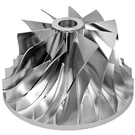
 Ti6Al4V Impeller Forgings Titanium Impeller
Name:Ti6Al4V Impeller forgingsGrade:GR1,GR2,GR5,GR12Brand:KEHUIStandard:ASTM B381,ASTM F1259MOQ: 1 kg or 1 piece
Add to Inquiry Titanium Forging
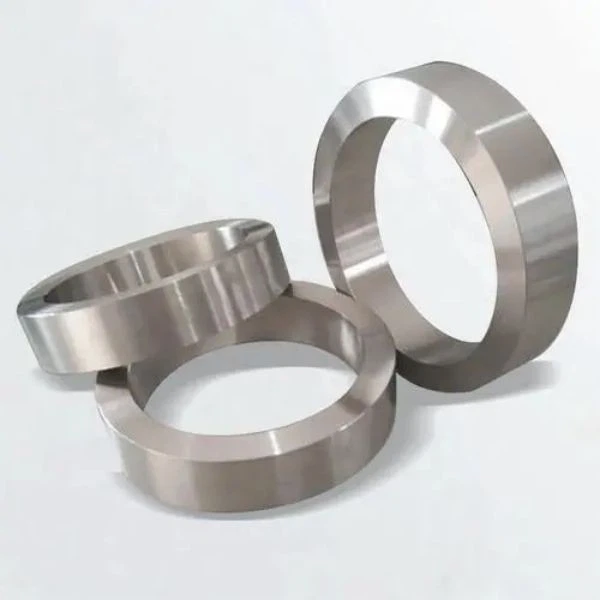
Name:Titanium RingGrade:GR1,GR2,GR5,GR12Brand:KEHUIStandard:ASTM B381,ASTM F1259MOQ: 1 kg or 1 piece
Add to Inquiry Ti6Al4V Titanium Forging Disk
Name:Ti6Al4V Forged DiskGrade:GR1,GR2,GR5,GR12Brand:KEHUIStandard:ASTM B381MOQ: 1 kg or 1 piece
Add to Inquiry Titanium Alloy Forged Rings
Name:Titanium Alloy Forged RingsGrade:GR1,GR2,GR5,GR12Brand:KEHUIStandard:ASTM B381MOQ: 1 kg or 1 piece
Add to Inquiry Ti6Al4V Titanium Alloy Square
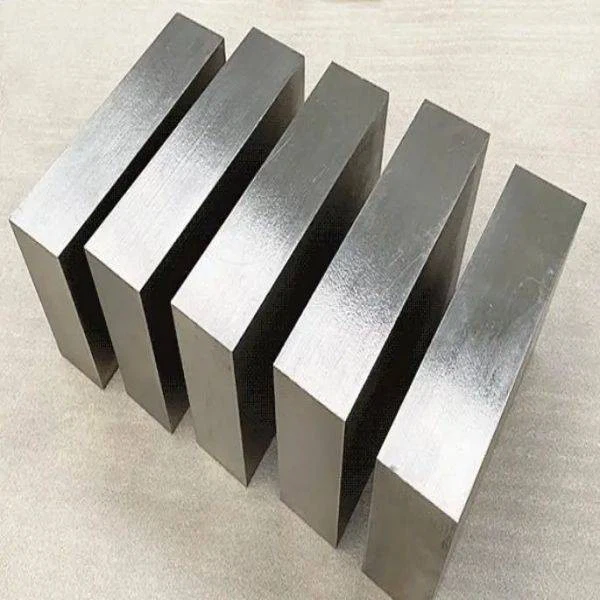
Name:Titanium alloy squareBrand:KEHUIMaterial:Ti6Al4V(UNS R56400)Standard:ASTM B265,ASTM B381,ASTM F136Surface: Machined SurfaceMOQ: 1 kg or 1 pieceOrigin: Baoji, Shaanxi, China
Add to Inquiry Ti -6Al-4V Titanium Forging
Density: 4.428g/cm3 (0.160lb/in3). Modulus of elasticity: 105-116 Gpa (15.2-16.8 psi x 106). Beta phase change point: 955+/-15°C (1825+/-25°F). Liquid phase point: 1655+/-20°C (3011+/-35°F). Solid
Add to Inquiry Titanium Impeller Forgings
1、High Strength. 2、Impeller Performance. 3、Corrosion Resistance. 4、High-Temperature Performance.
Add to Inquiry Gr2 Titanium Forgings
Shape:Die forging, free forging, shaped forging, block, plate, bar, disc, ball valve, seamless pipe, etc.. material: titanium and titanium alloy, zirconium and zirconium alloy. Price: per kg price.
Add to Inquiry-
Gr5 Titanium Discs
Material: titanium alloy. Shape: Pie-shaped. Thickness: 0.5mm - 10mm. Size: customised according to customer requirements. Surface treatment: polished, brushed, anodised, brushed, powder coated,
Add to Inquiry  Titanium Impeller Forging
Name:Ti6Al4V Impeller forgings. Grade:GR1,GR2,GR5,GR12. Brand:KEHUI. Standard:ASTM B381,ASTM F1259. MOQ: 1 kg or 1 piece.
Add to Inquiry Ti-1023 Titanium Alloy Forgings Ti-10V-2Fe-3Al UNS R56410
Material: Titanium Alloy. Composition: Ti-10V-2Fe-3Al. UNS Code: UNS R56410. Standard: AMS4983,AMS4984,AMS4986,AMS4987. Forms typically available: billet,bar,plate,Forgings. Free sample: KS10-2-3
Add to Inquiry Grade F6 Titanium Alloy Forgings Ti-5Al-2.5Sn UNS R54520
Material: Titanium Alloy. Composition: Ti-5Al-2.5Sn. UNS Code: UNS R54520. Standard: ASTM B348,ASTM B381,AMS4926,AMS 4966. Forms typically available: Forgings, Bar, Billet, Castings, Extrusion,
Add to Inquiry
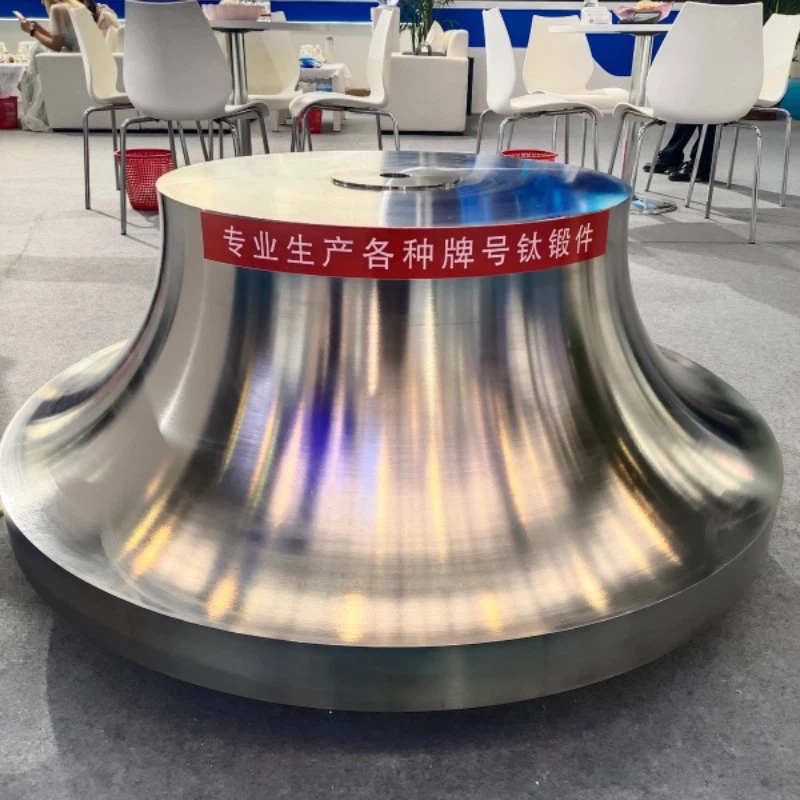
Titanium forgings are workpieces or blanks obtained by deforming titanium metal billets by forging. This process changes the mechanical properties of the titanium metal billet by applying pressure to it and causing it to deform plastically. Depending on the temperature at which the billet is processed, forgings can be categorized as cold forging, warm forging and hot forging. Cold forging is usually carried out at room temperature, while hot forging is carried out at temperatures above the recrystallization temperature of the titanium billet. Titanium forgings are used in a wide range of applications including, but not limited to, aerospace, automotive, marine, chemical, and medical devices. In the aerospace field, titanium forgings are used to manufacture lightweight, high-strength engine blades and aviation structural parts to improve the performance and safety of aircraft. In the field of medical devices, titanium forgings can be used to manufacture corrosion-resistant, biocompatible artificial bones and joints for surgical repair and prosthetic manufacturing. The production process of titanium forgings involves a number of key aspects such as alloy selection, pretreatment, heating, forging deformation, heat treatment and mechanical property testing to ensure product quality and performance.
Benefits of Titanium Forging
Titanium forgings offer several significant advantages, including high strength, good toughness, corrosion resistance, light weight, high temperature performance, and biocompatibility.
High strength: after titanium alloy forgings are processed through the forging process, the grains are refined and evenly distributed, which significantly improves the strength of the material. At the same time, the antioxidant property of titanium alloy forgings under high temperature is also improved, which makes its service life longer under high temperature environment1.
Good toughness: titanium alloy forgings can resist external impact and pressure, not easy to fracture, maintain performance and reliability.
Corrosion resistance: the titanium element in titanium alloy has high chemical activity, which can form a dense oxide film with oxygen to protect the surface from corrosion, so it can maintain its performance and appearance in corrosive environments.
Lightweight: Titanium alloy forgings have lower density and are lighter in weight, providing better lightweight advantages compared to traditional materials and improving transportation efficiency.
High temperature performance: Titanium alloy forgings have stable performance in high temperature environments, with high oxidation and creep resistance, and are suitable for high temperature environments such as aero-engines and other fields.
Biocompatibility: Titanium alloy forgings are very biocompatible and will not cause rejection to the human body, so they are widely used in the medical field, such as artificial joints and other medical devices.
In addition, titanium alloy forgings have good welding performance and processing performance, and can be connected by various welding methods to ensure the quality of the weld. At the same time, titanium alloy forgings show high machining performance during processing, which is conducive to the manufacture of complex shaped parts. These advantages make titanium alloy forgings have a wide range of applications in aerospace, chemical, petroleum, medical, electronics and many other fields.
Types of Titanium Forging
Titanium forgings can be divided into several categories, according to different application areas and performance requirements, titanium forgings can be divided into the following categories.
When selecting titanium forgings, comprehensive consideration should be given to the product's use, performance requirements and the use of the environment to ensure that the selected titanium forgings meet the use requirements. At the same time, we also need to pay attention to the surface treatment of titanium forgings, dimensional accuracy and other requirements to ensure the reliability and stability of the product.
-
Industrial pure titanium forgings
Including TA1, TA2, TA3 and other grades, these forgings have good stamping performance, welding performance and machining performance, suitable for These forgings have good stamping performance, welding performance and machining performance, and are suitable for the manufacture of parts with small force and high corrosion resistance, such as condensers of thermal power stations, marine piping systems corroded by seawater, and chemical heat exchangers.
-
Titanium alloy forgings
Such as TA6, TA7, TA8, TC1, TC2, TC3 and other grades, these forgings With higher strength and high temperature resistance, they are suitable for the manufacture of parts that need to withstand higher loads and higher temperatures, such as engine compressor disks and blades, etc.
-
Application area
Titanium forgings are widely used in ships, chemical equipment, marine engineering, sports equipment, medical equipment, automobile and motorcycle parts, bicycles, construction materials, household goods and other fields. Specific applications include but are not limited to titanium cakes, titanium squares, titanium rings and other shapes with a wide range of sizes to meet the needs of different fields.
Titanium forging is a highly versatile and sought-after process with many applications. It finds particular use in industries that demand high-performance parts and where durability is crucial, especially in harsh and corrosive environments.
For example, in the aerospace industry, titanium-forged components are used in aircraft to ensure strength and reliability. Similarly, the space exploration sector relies on titanium forging to create robust and lightweight parts for space vehicles.
In motorsports, titanium forgings enhance performance and reduce weight in critical components such as engine parts and suspension systems.
Beyond these industries, titanium forging extends its influence to other domains. Golf clubs benefit from titanium forgings, offering excellent strength and durability while maintaining flexibility.
The medical field also utilizes titanium-forged instruments due to their biocompatibility and corrosion resistance, making them ideal for surgical procedures.
Lastly, in the oil and gas industry, titanium forgings are indispensable for equipment used in drilling operations, as they possess exceptional strength and resistance to corrosion in harsh environments.
With its versatility and adaptability, titanium forging continues to play a vital role in the manufacturing of critical structural components like turbine blades, connecting rods, and pressure vessels. Its unique properties make it a preferred choice across various industries, ensuring reliability and performance in even the most demanding applications.
Craftsmanship of Titanium Forging


Free forging
Free forging is generally carried out between two flat dies or molds without a cavity. The tools used in free forging are simple in shape, flexible, short in the manufacturing cycle, and low in cost. However, free forging has high labor intensity, difficult operation, low productivity, low forging quality, and large machining allowance. Therefore, it is only suitable for use when there are no special requirements for the performance of the parts and the number of parts is small.
Open die forging
The blank is deformed between two molds with cavities, the forging is confined in the cavity, and the excess metal flows out from the narrow gap between the two molds, forming burrs around the forging. Under the resistance of the mold and surrounding burrs, the metal is forced to be pressed into the shape of the mold cavity.
Closed die forging
In the closed die forging process, no transverse burrs perpendicular to the direction of die movement are formed. The cavity of the closed forging die has two functions: one is for forming the blank, and the other is for guiding.
Extrusion die forging
It refers to using the extrusion method for die forging, which includes forward extrusion die forging and reverse extrusion die forging. Extrusion die forging can manufacture all kinds of hollow and solid parts and can obtain forgings with high geometrical precision and denser internal structure.
Multi-directional die forging
Multi-directional die forging is performed on a multi-directional die forging machine. In multi-directional die forging, the slider acts alternately and jointly on the workpiece from the vertical and horizontal directions, and one or more perforation punches are used to make the metal flow outward from the center of the cavity to achieve the purpose of filling the cavity.
Partial die forging
In order to forge large integral forgings on the existing hydraulic pressure, partial die forging methods, such as segment die forging, pad die forging, etc. can be used. The feature of the partial die forging method is to process the forging piece by piece, processing one part at a time, so the required equipment tonnage can be very small. Generally speaking, this method can be used to process extra-large forgings on medium hydraulic presses.
Isothermal forging
Before forging, the mold is heated to the forging temperature of the blank, and the temperature of the mold and the blank remains the same throughout the forging process so that a large amount of deformation can be obtained under the action of a small deformation force.
Process of Titanium Forging
Material selection
The process begins with the selection of a suitable titanium alloy, which is chosen based on the desired properties of the final product.
Heating
The titanium is heated to a specific temperature that falls within its forging range, typically between 1,700°F and 2,200°F, to make it sufficiently malleable for shaping.
Forming
The heated metal is then formed using either open-die or closed-die forging techniques, depending on the complexity of the part.
Finishing
The forged titanium piece undergoes subsequent finishing operations such as heat treatment, machining, or surface treatments to achieve the required final properties and dimensions.
Shape Inspection: Check the surface of the forging for cracks, folds, inclusions and other defects to ensure that the size and shape meet the design requirements, which is key to assessing the stability of the forging during assembly and use.
Chemical Composition Inspection: Samples are intercepted from the forgings and compared with the standard values through grinding and composition analysis to ensure the accuracy of the chemical composition.
Non-destructive testing: ultrasonic testing, ray testing, magnetic particle testing and eddy current testing are used to detect whether there are cracks, porosity and other defects inside the forging to ensure the quality and performance of the forging.
Physical property test: including density test, hardness test, tensile property test and impact property test. Density testing calculates the density by measuring the weight and size to determine the purity of the forging; hardness testing evaluates the material's abrasion resistance and scratch resistance; tensile property testing understands the tensile strength through the tensile test. Tensile testing is used to understand parameters such as tensile strength, yield strength and elongation through tensile testing. Impact testing reflects the toughness and brittle transition temperature of the material under impact load, which is of great significance in evaluating the safety performance of forgings in practical applications.

Our Factory
Baoji Kehui Titanium Industry Co., Ltd. is a high-tech enterprise focusing on R&D, production and sales of pipes, rods, plates, wires, forgings and various chemical corrosion-resistant equipment of rare and precious metals such as titanium and titanium alloy, zirconium and zirconium alloy, adhering to the collection of scientific research, manufacturing, sales and service as one of the modern new concept.


Our Certificate

FAQ
Q: What kind of products are you manufacturing?
Q: How long is your lead time?
Q: How to control quality?
Q: What is the advantage of your product?
Q: What grades of titanium products can your company produce?
Q: Can your products meet AMS requirements?
As one of the most professional titanium forging manufacturers and suppliers in China, we're featured by quality products and low price. If you're going to wholesale cheap titanium forging in stock, welcome to get free sample from our factory. Also, customized service is available.
Gr5 Titanium Discs, Titanium Impeller Forgings, Ti 6Al 4V Titanium Forging