

Latest Products



Contact Us
- Gaoya industrial park, High-tech Development Zone, Baoji city, Shaanxi province, China.
- +86-917-3381220
Baoji Kehui Titanium Industry Co., Ltd. was established in March 2011, and its subsidiary, Baoji Juxinyuan New Materials Co., Ltd., was established in May 2017. It is ahigh-tech enterprise focusing on R&D, production and sales of pipes, rods, plates, wires, forgings and various chemical corrosion-resistant equipment of rare and precious metals such as titanium and titanium alloy, zirconium and zirconium alloy, adhering to the collection of scientific research, manufacturing, sales and service as one of the modern new concept.
Why Choose Us?
High quality
Our products are manufactured or executed to very high standards, using the finest materials and manufacturing processes.
Competitive Price
We offering a higher-quality product or service at an equivalent price. As a result we have a growing and loyal customer base.
Rich experience
Our company has many years of production work experience. The concept of customer-oriented and win-win cooperation makes the company more mature and stronger.
Advanced equipment
With a complete production process of smelting, forging, heat treatment, machining, surface treat.
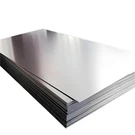
 ASTM B265 Titanium And Titanium Alloy Sheet
Name:Titanium SheetGrade:GR1,GR2,GR3,GR4,GR12,GR5Brand:KEHUIStandard:ASTM B265,ASTM F136MOQ: 1 kg or 1 piece
Add to Inquiry Titanium Ti 662 (UNS# 56620, Titanium 6AL-6V-2Sn)
Name:Ti-622 Titanium alloyGrade:Ti-622Brand:KEHUIStandard:AMS 4971MOQ: 1 kg or 1 piece
Add to Inquiry Ti15333 Cold Rolled Titanium Foil
Name:Ti15333 Titanium FoilGrade:Ti15333,TB5Brand:KEHUIStandard:ASTM B265
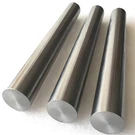
Add to Inquiry ASTMB348 GR2 Gr5 Ti Alloy Round Bar
Name:Ti Alloy Round BarMaterial:GR1,GR2,GR5,GR12,Brand:KEHUIStandard:ASTM B348,ASTM F136/T,GB/T2965,GB/T13810Samples: Free
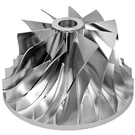
Add to Inquiry Ti6Al4V Impeller Forgings Titanium Impeller
Name:Ti6Al4V Impeller forgingsGrade:GR1,GR2,GR5,GR12Brand:KEHUIStandard:ASTM B381,ASTM F1259MOQ: 1 kg or 1 piece
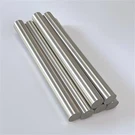
Add to Inquiry ASTM F136 Ti6Al4V Medical Titanium Alloy Rods
Name:Medical Titanium Alloy RodsGrade:GR1,GR2,GR3,GR4,GR5Brand:KEHUIStandard:ASTM F136,ASTM F67-13MOQ: 1 kg or 1 piece
Add to Inquiry ASTM F136 Ti6Al4V Medical Titanium Alloy Sheet Strip Foil
Name:Medical Titanium Alloy SheetGrade:GR1,GR2,GR3,GR4,GR5Brand:KEHUIStandard:ASTM F136,ASTM F67-13MOQ: 1 kg or 1 piece
Add to Inquiry China High Quality Titanium Alloy TI6AL4V Medical Material
Name:TI6AL4V Medical MaterialGrade:GR1,GR2,GR3,GR4,GR5Brand:KEHUIStandard:ASTM F136,ASTM F67-13MOQ: 1 kg or 1 piece
Add to Inquiry-
ASTM B348 Titanium And Titanium Alloy Bar
Name:Titanium SheetGrade:GR1,GR2,GR3,GR4,GR12,GR5,GR23Brand:KEHUIStandard:ASTM B348,ASTM F136MOQ: 1 kg or 1 piece
Add to Inquiry  GR5 Titanium Bar
Standards: ASTM B348, ASTM F136, AMS 4928Grades: Gr 1, 2, 3, 4, 5 (Ti-6Al-4V), 6, 7 (Ti-0.15Pd), 9 (Ti-3Al-2.5V), Grade 12, 23 (Ti-6AL-4V ELI)Bar Dimensions: Diameter 5 – 400 mmBar Shape: Square ,
Add to Inquiry GR2 Titanium Seamless Tube
Place of Origin:Baoji, ChinaBrand Name:KehuiGrade:Grades 1, 2, 5, 7, 9 and 12Diameter:customizedThickness:customizedSample:available
Add to Inquiry Titanium Alloy Block
Name:Titanium Alloy BlockGrade:GR1,GR2,GR5,GR12Brand:KEHUIStandard:ASTM B381MOQ: 1 kg or 1 piece
Add to Inquiry
What is Titanium?
Titanium is a chemical element; it has symbol Ti and atomic number 22. Found in nature only as an oxide, it can be reduced to produce a lustrous transition metal with a silver color, low density, and high strength, resistant to corrosion in sea water, aqua regia, and chlorine.

Titanium alloys are alloys that contain a mixture of titanium and other chemical elements. Such alloys have very high tensile strength and toughness (even at extreme temperatures). They are light in weight, have extraordinary corrosion resistance and the ability to withstand extreme temperatures. However, the high cost of both raw materials and processing limit their use to military applications, aircraft, spacecraft, bicycles, medical devices, jewelry, highly stressed components such as connecting rods on expensive sports cars and some premium sports equipment and consumer electronics.
Benefits of Titanium
Resistant to corrosion
One of the main reasons as to why titanium is so popular is due to its resistance to rust and corrosion. In many settings, metals that are exposed to a level of moisture will corrode over time, losing their natural shine and weakening them somewhat. This is why titanium is preferred, as it’s able to maintain its good as new look, upholding a professional feel.
Easily recycled
When living in an increasingly environmentally conscious society, you’ll be pleased to know that titanium can easily be recycled and used again in another form. The fact that titanium is a 100% recyclable eco metal is partly because it will not rust. This means that once you’ve finished using your titanium metal, you can pass it on elsewhere and reuse it with no defects.
Low density
Titanium has a supremely low density rating, making it very light yet also durable. This is why you will regularly spot titanium metal used in machinery that is found airborne, such as missiles, aircraft, and spacecraft. Not only is this metal easier to use during the manufacturing process, but it is also crucial in making these machines more streamlined and aerodynamic.
High melting point
With a very high melting point, titanium can withstand extreme temperatures without deformation or losing its properties. This makes it perfect for applications in jet engines, missile components, and power generation.
Benefits of Titanium Alloy


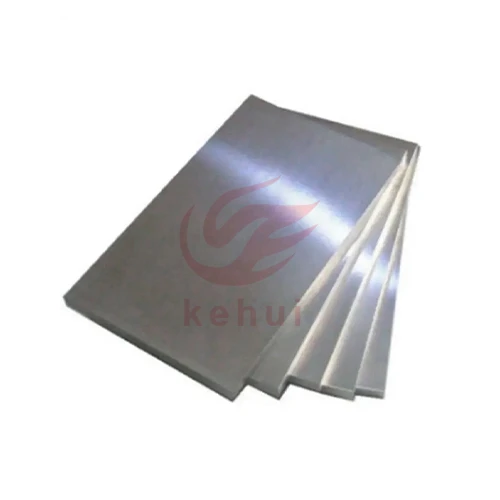

Strength: Titanium is one of the strongest metals in the world. Not only is its tension strength hard, but the metal also retains some flexibility. This makes it one of the prefect metals to use in many different industries. Using a titanium alloy retains some of the strength of titanium without the high cost.
Cost: Pure titanium is extremely expensive. Titanium allows are a little less expensive than straight titanium. In many cases, using a titanium allow can retain most of the strength and performance of the original metal for a fraction of the price.
Erosion resistance: Any titanium alloy will have a high erosion resistance. Few materials can damage the surface of the metal, including chemicals and other abrasive materials.
Oxide resistance: Titanium alloys are highly resistant to rust and oxidation. This makes them ideal for use in high concentrations of oxygen or near other materials that can rust metal easily, like sand and water.
Low adhesion: Titanium alloyed metals are smooth and are not porous, which makes them ideal for using with materials that would otherwise stick to other metals or materials. Titanium is excellent for use around food and chemicals that could otherwise seep into the container material.
Limited condensation: Titanium alloyed metals are also resistant to condensation, which makes them ideal for uses where condensation can ruin a product inside a container or cause other damage.
Types of Titanium
Grade 11
Grade 11, also known as CP Ti-0.15Pd, is commercially pure titanium, similar to Grade 1 and Grade 2. Grade 11 provides enhanced crevice corrosion resistance due to added palladium. It also has high ductility, impact toughness, and weldability. Grade 11 is commonly used in chemical processing and storage, ducts, pumps, and heat exchangers.
Grade 12 or Ti 0.3-Mo 0.8-Ni
Grade 12 titanium, also known as Ti 0.3 Mo 0.8 Ni, is a durable, corrosion-resistant, and thermally stable titanium alloy that is valued for its weldability and formability. Grade 12 titanium alloy contains up to 99% titanium, 0.6-0.9% nickel, 0.2-0.4% molybdenum, up to 0.3% iron, up to 0.25% oxygen, and other elements. Because of its durability and resistance to corrosion, Grade 12 is commonly used in marine components such as ships or offshore drilling platforms, chemical manufacturing, and in heat exchangers.
Grade 4
Grade 4 titanium is the strongest commercially pure titanium. Grade 4 titanium’s strength rivals that of stainless and low-carbon steel, which makes the material a lighter-weight alternative. Because of its strength and corrosion resistance, Grade 4 is commonly used in aerospace, chemical processing, and marine components such as airframe structures and heat exchangers.
Grade 5 or Ti 6Al-4V
Grade 5 is the most commonly used titanium alloy. It accounts for around half of all the titanium used in the world. It has exceptionally high strength, heat resistance, ability to be heat treated, formability, and corrosion resistance. Grade 5 is also known as Ti 6Al-4V due to the percentage of aluminum and vanadium in the alloy. Grade 5 titanium contains 88-90% titanium, 5.5-6.75% aluminum, 3.5-4.5% vanadium, and trace amounts of other elements including iron, oxygen, carbon, and hydrogen. Because of its properties, Grade 5 titanium is highly sought after in the aerospace industry to fabricate engines and structural components. Additionally, Ti 6Al-4V is often used in automotive parts like springs and exhausts and medical applications like joint implants.
Grade 7
Grade 7 is a titanium alloy that is nearly identical to Grade 2 titanium. The only difference between Grade 7 and Grade 2 is the addition of palladium in Grade 7 alloys. The composition of Grade 7 titanium is 99% titanium, 0.12-0.25% palladium, 0.3% iron, 0.25% oxygen, and other elements. Grade 7 has the highest corrosion resistance of all titanium alloys and exhibits excellent weldability and forming properties. Because of its excellent corrosion-resistant properties, Grade 7 titanium is often used in chemical manufacturing and desalination applications.
Grade 1
Grade 1 is the softest and most ductile pure titanium grade. Therefore, Grade 1 titanium possesses the best formability out of the different types of titanium. Grade 1 titanium is composed of 99% titanium, 0.2% iron, 0.18% oxygen, and trace amounts of other elements such as nitrogen, carbon, and hydrogen. It is often used in plating, piping, tubing, and other applications where formability and weldability are critical, such as in the aerospace, automotive, and power generation industries.
Grade 3
Grade 3 is the least commonly used pure titanium grade. Grade 3 is stronger than Grade 1 and Grade 2 titanium, but also has slightly less ductility and formability. Grade 3 is commonly used in cryogenic vessels, condenser tubing, heat exchangers, and other chemical processing equipment.
Grade 6 or Ti 5Al-2.5Sn
Grade 6 titanium is a titanium alloy containing approximately 5% aluminum, 2.5% tin, and 0.5% iron. The addition of aluminum and tin improves titanium’s creep resistance and temperature stability. Grade 6 is preferred for higher service temperatures around 900 °F where it is often used for casings and rings in turbine engines, structural members and frames in aircraft, and chemical processing parts.
Grade 2
Grade 2 is another commercially pure titanium and is the most commonly used commercially pure grade. Like other commercially pure titanium grades, it contains 99% titanium but differs from other pure grades in that it contains 0.3% iron, 0.25% oxygen, and trace amounts of other elements. The larger oxygen percentage allows Grade 2 titanium to be stronger than Grade 1. Additionally, its ductility and weldability make Grade 2 a highly versatile alloy. Grade 2 titanium is often more affordable than other grades of titanium because it is produced in large volumes for widespread uses. Grade 2 titanium is often used in power generation and petroleum industries as a lining material due to its corrosion resistance.
Grade 23 or Ti 6AL-4V ELI
Grade 23 titanium, also known as Ti 6Al-4V ELI due to its chemical composition, has high tensile and yield strength, toughness, ductility, and weldability. It has a composition of 88-90% titanium, 5.5-6.5% aluminum, 3.5-4.5% vanadium, 0.25% iron, 0.13% oxygen, and other elements. Grade 23 is considered a more pure version of Grade 5 titanium and is often the best choice for dental and medical applications. Therefore, Grade 23 titanium is often used in bone and joint replacements, surgical staples, ligature clips, tooth implants, and more.
Types of Titanium Alloy
Alpha alloys
Alpha alloys are titanium alloys that are only purposely alloyed with oxygen. While other components such as carbon and iron can be found in small quantities, they only exist as impurities. As an interstitial alloying element, oxygen significantly boosts strength while decreasing ductility. The chemical and engineering industries are the primary users of alpha alloys.
Here, great corrosion behavior and deformability are more important than high (specific) strength. The main difference between commercially pure (cp) titanium grades is their oxygen concentration.
Near-alpha alloys
Near-alpha alloys of titanium are the most common high-temperature alloys. This alloy class is appropriate for high temperatures because it combines the superior creep behavior of alpha alloys with the high strength of alpha + beta alloys. However, their maximum working temperature is now limited to 500 to 550 ºC.
Beta and near-beta alloys
Beta alloys are another type of titanium material. Manufacturers create all titanium alloys by adding enough beta-stabilizing elements to titanium. These materials have been available for many years but have only lately gained popularity. They are more easily cold workable than alpha-beta alloys, heat treatable to high strengths, and some have better corrosion resistance than commercially pure grades.

Alpha and beta alloys
These are typically medium to high strength materials with tensile strengths ranging from 620 to 1250 MPa and creep resistance ranging from 350 to 400°C. In addition to tensile properties, they also have low and high cycle fatigue and fracture toughness characteristics.
As a result, people developed thermomechanical and heat treatment procedures to ensure that the alloys provide an optimal balance of mechanical properties for various applications.
Application of Titanium
Aerospace: Due to its high strength-to-weight ratio and excellent performance at high temperatures, titanium is widely used in aircraft structures, jet engine components, and spacecraft. Its light weight helps improve fuel efficiency, a major factor for the aerospace industry.
Chemical processing equipment: Titanium resists corrosion from many harsh chemicals, making it a valuable material for reactors, heat exchangers, pipes, and valves used in the chemical and petrochemical industries.
Marine applications: Titanium’s exceptional resistance to saltwater corrosion makes it ideal for ship propellers, rudders, submarine hulls, and offshore oil rigs.
Medical implants: Because it is biocompatible and resists corrosion in the body, titanium is used for artificial hips and knees, bone screws, dental implants, and prosthetic devices.
Power generation: Titanium is increasingly used in condensers and heat exchangers in power plants due to its excellent corrosion resistance and high strength-to-weight ratio.
Desalination plants: Titanium plays a crucial role in desalination plants, where seawater is converted into fresh water. Its resistance to corrosion from saltwater is essential for these systems.
Sporting goods: Titanium’s high strength and lightweight properties make it a popular material for high-performance sporting goods such as tennis rackets, golf clubs, bicycles, and baseball bats.
Consumer products: The growing appreciation for titanium’s strength, durability, and hypoallergenic properties has led to its use in various consumer products, including eyeglass frames, watches, jewelry, and high-end cookware.
Automotive: Due to its high strength-to-weight ratio and ability to withstand high temperatures, titanium finds applications in high-performance car parts like exhaust systems, connecting rods, and suspension components.
Military applications: Titanium’s combination of strength and lightweight properties makes it valuable for military applications such as armor plating, missile components, and aircraft carrier components.
●Chemical processing
●Chlorate manufacturing
●Desalination
●Marine applications
●Production Equipment Components.
●Aircraft turbines
●Engine components
●Aircraft structural components
●Aerospace fasteners
●High-performance automatic parts
●Marine applications
●Sports equipment


●Orthopedic pins and screws
●Orthopedic cables
●Ligature clips
●Surgical staples
●Springs
●Orthodontic appliances
●In joint replacements
●Cryogenic vessels
●Bone fixation devices
●Hydrometallurgical applications
●Elevated temperature chemical manufacturing
●Cryogenic Applications
Process of Titanium
Titanium is produced using the Kroll process. The steps involved include extraction, purification, sponge production, alloy creation, and forming and shaping. In the United States, many manufacturers specialize in different phases of this production. For example, there are manufacturers that just make the sponge, others that only melt and create the alloy, and still others that produce the final products. Currently, no single manufacturer completes all of these steps.
Extraction
At the start of production, the manufacturer receives titanium concentrates from mines. While rutile can be used in its natural form, ilmenite is processed to remove the iron so that it contains at least 85% titanium dioxide. These materials are put in a fluidized-bed reactor along with chlorine gas and carbon. The material is heated to 1,652°F (900°C) and the subsequent chemical reaction results in the creation of impure titanium tetrachloride (TiCl4) and carbon monoxide. Impurities are a result of the fact that pure titanium dioxide is not used at the start. Therefore the various unwanted metal chlorides that are produced must be removed.
Purification
The reacted metal is put into large distillation tanks and heated. During this step, the impurities are separated using fractional distillation and precipitation. This action removes metal chlorides including those of iron, vanadium, zirconium, silicon, and magnesium.
Production of the sponge
Next, the purified titanium tetrachloride is transferred as a liquid to a stainless steel reactor vessel. Magnesium is then added and the container is heated to about 2,012°F (1,100°C). Argon is pumped into the container so that air will be removed and contamination with oxygen or nitrogen is prevented. The magnesium reacts with the chlorine producing liquid magnesium chloride. This leaves pure titanium solid since the melting point of titanium is higher than that of the reaction.
The titanium solid is removed from the reactor by boring and then treated with water and hydrochloric acid to remove excess magnesium and magnesium chloride. The resulting solid is a porous metal called a sponge.
Alloy creation
The pure titanium sponge can then be converted into a usable alloy via a consumable-electrode arc furnace. At this point, the sponge is mixed with the various alloy additions and scrap metal. The exact proportion of sponge to alloy material is formulated in a lab prior to production. This mass is then pressed into compacts and welded together, forming a sponge electrode.
The sponge electrode is then placed in a vacuum arc furnace for melting. In this water-cooled, copper container, an electric arc is used to melt the sponge electrode to form an ingot. All of the air in the container is either removed (forming a vacuum) or the atmosphere is filled with argon to prevent contamination. Typically, the ingot is remelted one or two more times to produce a commercially acceptable ingot. In the United States, most ingots produced by this method weigh about 9,000 lb (4,082 kg) and are 30 in (76.2 cm) in diameter.
After an ingot is made, it is removed from the furnace and inspected for defects. The surface can be conditioned as required for the customer. The ingot can then be shipped to a finished goods manufacturer where it can be milled and fabricated into various products.
Titanium is a metal that is easy to maintain, mainly in part because of its unique titanium oxide barrier. With titanium, one doesn’t need a fancy store-bought cleaner. DIY cleaning solutions of warm water and jewelry cleaner, mild liquid dish soap or window cleaner works great on sprucing up the appearance of titanium. It’s important to note that one should avoid using any bleach or chlorine-based products as these can damage and worsen the look of titanium. After cleaning, dry the titanium with a soft, clean cloth. Colored or dyed titanium pieces, however, should be wiped extra carefully as the coloring can be rubbed off. For titanium that is scratched or tarnished, special metal polisher works best with its oxidation remover properties.

History
The use of titanium metal, in any form, only really developed after World War II. In fact, titanium was not isolated as a metal until the American chemist Matthew Hunter produced it by reducing titanium tetrachloride (TiCl4) with sodium in 1910; a method now known as the Hunter process.
Commercial production, however, did not come until after William Justin Kroll showed that titanium could also be reduced from chloride using magnesium in the 1930s. The Kroll process remains the most used commercial production method to this day.
After a cost-effective production method was developed, titanium's first major use was in military aircraft. Both Soviet and American military aircraft and submarines designed in the 1950s and 1960s began making use of titanium alloys. By the early 1960s, titanium alloys started to be used by commercial aircraft manufacturers as well.
The medical field, particularly dental implants and prosthetics, awoke to titanium's usefulness after Swedish doctor Per-Ingvar Branemark's studies dating back to the 1950s showed that titanium triggers no negative immune response in humans, allowing the metal to integrate into our bodies in a process he termed osseointegration.

Titanium is not found in its pure form in nature because of its tendency to react with oxygen. Instead, titanium is found in practically all rocks, clay, sand, and minerals on Earth in the form of titanium dioxide. Rutile and ilmenite are the two primary minerals used for the commercial production of titanium. Anatase, perovskite, brookite, and titanite also contain titanium. Each of the minerals described above can be refined to obtain pure titanium.
Titanium Extraction
The overall process
Titanium is extracted from its ore, rutile - TiO2. It is first converted into titanium(IV) chloride, which is then reduced to titanium using either magnesium or sodium.
Conversion of TiO2 into TiCl4
The ore rutile (impure titanium(IV) oxide) is heated with chlorine and coke at a temperature of about 1000°C.
Note: There are other reactions occurring as well in which the other product is either carbon dioxide or carbonyl chloride, COCl2. AQA give the one producing carbon monoxide as their first choice, but will also accept one producing carbon dioxide.
Other metal chlorides are formed as well because of other metal compounds in the ore. Very pure liquid titanium(IV) chloride can be separated from the other chlorides by fractional distillation under an argon or nitrogen atmosphere, and is stored in totally dry tanks.
Note: Titanium(IV) chloride is a typical covalent chloride. It is a colourless liquid which fumes in moist air due to reaction with water to give titanium(IV) oxide and fumes of hydrogen chloride. Everything has to be kept very dry to prevent this happening.
Reduction of the titanium(IV) chloride
TiCl4 can be reduced using either magnesium or sodium. AQA will accept either, and so I am just giving the magnesium one.
Titanium(IV) chloride vapour is passed into a reaction vessel containing molten magnesium in an argon atmosphere, and the temperature is increased to about 1000°C. The reduction process is very slow, taking about 2 days, followed by several more days of cooling.
When it is cool, the reaction mixture is crushed, and dilute hydrochloric acid is added to react with any excess magnesium to form more magnesium chloride. All the magnesium chloride dissolves in the water present, and the remaining titanium is processed further to purify it.
Our Factory
Baoji Kehui Titanium Industry Co., Ltd. is a high-tech enterprise focusing on R&D, production and sales of pipes, rods, plates, wires, forgings and various chemical corrosion-resistant equipment of rare and precious metals such as titanium and titanium alloy, zirconium and zirconium alloy, adhering to the collection of scientific research, manufacturing, sales and service as one of the modern new concept.


Our Certificate

FAQ
Q: What kind of products are you manufacturing?
Q: How long is your lead time?
Q: How to control quality?
Q: What is the advantage of your product?
Q: What grades of titanium products can your company produce?
Q: Can your products meet AMS requirements?
As one of the most professional titanium and titanium alloy manufacturers and suppliers in China, we're featured by quality products and low price. If you're going to wholesale cheap titanium and titanium alloy in stock, welcome to get free sample from our factory. Also, customized service is available.
titanium composite plate, erti 5 filler rod, titanium 225 stick welder