


Hey there! As a supplier of zirconium plates, I often get asked if zirconium plates can be used in the nuclear industry. Well, let's dive right into this topic and find out the answer.
First off, let's understand what zirconium is. Zirconium is a chemical element with the symbol Zr and atomic number 40. It's a lustrous, grey - white metal, and it has some pretty cool properties that make it a potential candidate for use in the nuclear industry.
One of the most important properties of zirconium in the context of nuclear applications is its low neutron absorption cross - section. In a nuclear reactor, neutrons play a crucial role in sustaining the nuclear fission chain reaction. Materials with a high neutron absorption cross - section can absorb neutrons, disrupting the chain reaction and reducing the efficiency of the reactor. Zirconium, on the other hand, allows neutrons to pass through it relatively easily, which is super beneficial for nuclear reactors.
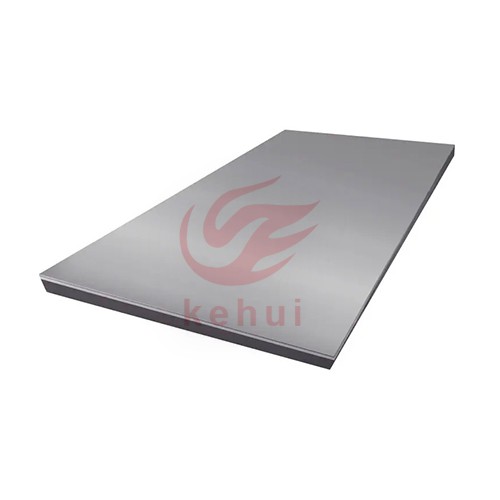

Another great property is its excellent corrosion resistance. Nuclear reactors operate in harsh environments, with high temperatures, high pressures, and corrosive coolant agents. Zirconium can form a stable oxide layer on its surface when exposed to oxygen, which acts as a protective barrier against further corrosion. This means that zirconium components can maintain their integrity over long periods in the challenging conditions inside a nuclear reactor.
Now, let's talk about the specific types of zirconium plates we offer that are relevant to the nuclear industry. We have the High Purity Zirconium Sheet. High purity is crucial in the nuclear field because impurities can affect the neutron absorption properties and the overall performance of the material. Our high - purity zirconium sheets are meticulously processed to ensure minimal impurities, making them suitable for use in nuclear applications where precision and reliability are of the essence.
Then there's the Zirconium R60702 Plate. This type of zirconium plate is an alloy with specific chemical composition ratios. The alloying elements in R60702 are carefully chosen to enhance certain properties like strength and ductility, while still maintaining the low neutron absorption and good corrosion resistance characteristics required in the nuclear industry. It can be used for various structural components in a nuclear reactor, such as fuel cladding tubes' support structures.
The B551 Zirconium Plate is also a popular choice. It meets certain ASTM standards, which ensure that it has the necessary quality and performance characteristics for use in demanding applications like the nuclear industry. The manufacturing process of B551 zirconium plates adheres to strict quality control measures to guarantee that they can withstand the rigors of nuclear reactor operation.
However, it's not all smooth sailing. There are some challenges when using zirconium plates in the nuclear industry. One of the main issues is hydrogen embrittlement. When zirconium reacts with water or steam in the reactor (which is often used as a coolant), it can produce hydrogen. Some of this hydrogen can dissolve in the zirconium, causing it to become brittle over time. This can potentially lead to cracks and failures in zirconium components, which is a huge safety concern in a nuclear facility. To mitigate this, we need to carefully control the operating conditions and apply certain surface - treatment techniques to our zirconium plates.
Despite these challenges, the advantages of using zirconium plates in the nuclear industry far outweigh the disadvantages. The nuclear power sector is constantly looking for reliable materials to improve reactor safety, efficiency, and lifespan. And zirconium plates fit the bill in many ways.
In the current global scenario, the demand for clean and sustainable energy is on the rise, and nuclear power is seen as one of the viable options. As more countries invest in nuclear energy projects, the need for high - quality zirconium plates will only increase. Utility companies and nuclear equipment manufacturers are always on the lookout for suppliers who can provide reliable zirconium plates that meet the strict regulatory requirements of the nuclear industry.
That's where we come in! As a zirconium plate supplier, we're committed to providing top - notch products. Our zirconium plates go through a series of quality checks, from raw material inspection to final product testing. We use advanced manufacturing techniques to ensure that our plates have the right density, thickness, and surface finish for nuclear applications.
If you're in the nuclear industry and are considering using zirconium plates, we'd love to talk to you. Whether you need a small quantity for testing or a large - scale supply for a new nuclear project, we've got you covered. Just reach out to us, and we can start a conversation about your specific requirements. We can provide samples, technical specifications, and cost estimates to help you make an informed decision.
In conclusion, zirconium plates definitely have a place in the nuclear industry. Their unique properties make them well - suited for use in nuclear reactors, although some challenges need to be addressed. As a reliable supplier, we're here to support the nuclear industry with high - quality zirconium plates that can contribute to the safe and efficient operation of nuclear power plants.
So, if you're ready to take the next step and discuss your zirconium plate needs for the nuclear industry, don't hesitate to get in touch. Let's work together to build a cleaner and more sustainable energy future!
References:
- "Nuclear Materials Handbook"
- Articles on zirconium properties and applications in nuclear science journals.