


How much does a zirconium plate cost?
As a supplier of zirconium plates, I often get asked about the cost of these specialized materials. The price of a zirconium plate is influenced by a multitude of factors, and understanding these elements can help potential buyers make informed decisions. In this blog post, I'll break down the key factors affecting the cost of zirconium plates and provide some insights into the price ranges you can expect.
Factors Affecting the Cost of Zirconium Plates
1. Purity
Zirconium comes in different levels of purity, and higher purity zirconium plates generally command a higher price. Pure zirconium has excellent corrosion resistance, making it suitable for applications in harsh chemical environments. For instance, Zirconium Pure Sheet is often used in industries where high - purity materials are a must, such as the pharmaceutical and semiconductor industries. The production process to achieve high purity is more complex and costly, which is reflected in the price.
2. Alloy Composition
Zirconium is often alloyed with other elements to enhance its properties. For example, the Zirconium R60705 Plate is an alloy that offers improved mechanical strength and corrosion resistance compared to pure zirconium. The cost of these alloyed plates depends on the type and amount of alloying elements used. Some alloying elements are rare or expensive to extract and process, which increases the overall cost of the plate.

3. Plate Dimensions
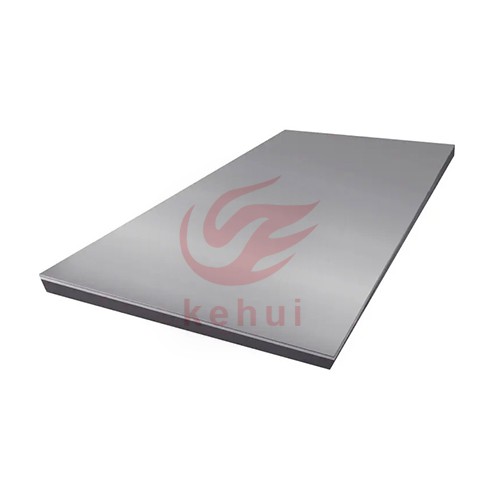
The size and thickness of the zirconium plate play a significant role in determining its cost. Larger and thicker plates require more raw material and more energy during the manufacturing process. Cutting, shaping, and finishing larger plates also involve more labor and equipment. For example, a thick, large - sized zirconium plate will cost more than a thin, small - sized one, even if they are made of the same material.
4. Manufacturing Process
The method used to produce the zirconium plate can have a major impact on its price. Processes such as hot rolling, cold rolling, and forging each have their own advantages and costs. Hot - rolled plates are generally more cost - effective for large - scale production, while cold - rolled plates offer better surface finish and dimensional accuracy but are more expensive due to the additional processing steps. Custom - made plates, which may require special machining or finishing operations, also come at a higher price.
5. Market Demand and Supply
Like any other commodity, the price of zirconium plates is affected by market forces. If the demand for zirconium plates in industries such as nuclear power, chemical processing, and aerospace is high, and the supply is limited, the prices will rise. Conversely, when there is an oversupply in the market, prices tend to drop. Geopolitical factors, trade policies, and natural disasters can also disrupt the supply chain and affect the cost of zirconium plates.
Price Ranges
It's difficult to give an exact price for zirconium plates as the cost varies widely based on the factors mentioned above. Generally, the price of zirconium plates can range from a few dollars per kilogram for lower - purity, standard - sized plates to hundreds of dollars per kilogram for high - purity, custom - made alloy plates.
For small - scale, low - purity zirconium plates used in less demanding applications, you might find prices starting at around $10 - $20 per kilogram. These plates are often used in general industrial applications where corrosion resistance is not the primary concern.
Medium - purity zirconium plates, which are suitable for a wide range of applications such as chemical processing equipment, can cost between $30 - $80 per kilogram. These plates offer a good balance between cost and performance.
High - purity zirconium plates and alloy plates, such as the B551 Zirconium Plate, used in critical applications like nuclear reactors and high - end aerospace components, can cost upwards of $100 per kilogram. The high cost is due to the strict quality control requirements, complex manufacturing processes, and the high value of the end - use applications.
Buying Considerations
When considering purchasing zirconium plates, it's important to not only focus on the price but also on the quality and suitability for your specific application. Here are some tips:
- Quality Assurance: Ensure that the supplier provides proper quality certifications. This is especially important for applications in safety - critical industries such as nuclear power and aerospace.
- Technical Support: A good supplier should be able to offer technical support, helping you select the right type of zirconium plate based on your requirements.
- Delivery Time: Consider the supplier's ability to deliver the plates within your required timeframe. Delays in delivery can cause significant disruptions to your projects.
Contact for Purchase and Negotiation
If you are interested in purchasing zirconium plates, I encourage you to reach out for more detailed information. We understand that every project has unique requirements, and we are committed to providing you with the best - suited zirconium plates at a competitive price. Whether you need a small quantity for a research project or a large order for industrial production, we can work with you to meet your needs. Contact us to start a discussion about your zirconium plate requirements, and let's explore the possibilities together.
References
- "Zirconium and Zirconium Alloys: Properties, Processing, and Applications" - A comprehensive book on zirconium materials.
- Industry reports on the global zirconium market, which provide insights into market trends and price fluctuations.