


As a supplier of zirconium bars, I often get asked about the food - contact safety requirements for these products. People want to know if it's okay to use zirconium bars in food - related applications and what they need to do to ensure compliance. In this blog post, I'll share some insights into the food - contact safety requirements for zirconium bars, so let's dive right in.
General Understanding of Food - Contact Materials
First off, when it comes to materials that come into contact with food, there are strict regulations in place around the world. The main goal is to protect consumers from any potential harm caused by the migration of substances from the material into the food. Different countries and regions have their own sets of rules, but generally, they focus on limiting the amount of certain chemicals that can leach into food.
Zirconium is a metal that's known for its excellent corrosion resistance and biocompatibility. These properties make it a potential candidate for food - contact applications. However, just because it has these good qualities doesn't mean it can automatically be used in food - related settings.
Chemical Composition and Purity
One of the key factors in determining the food - contact safety of a zirconium bar is its chemical composition. A high - purity zirconium bar is much more likely to meet food - contact safety requirements. Impurities in the zirconium can be a source of concern as some of them might migrate into food.
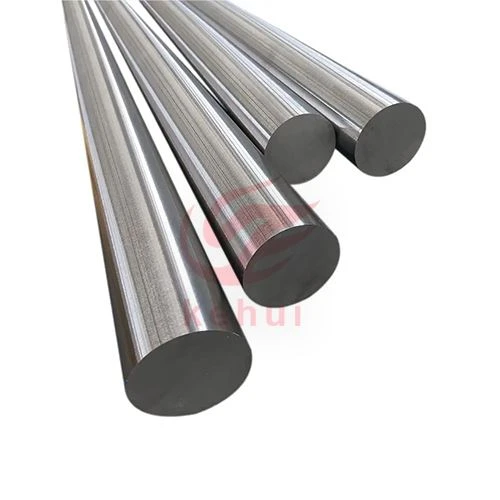

For instance, heavy metals like lead, mercury, and cadmium are strictly regulated in food - contact materials. Even a small amount of migration of these substances into food can pose health risks. So, as a zirconium bar supplier, we make sure that our products, such as the Zr702 Zirconium Bar, are produced with high - quality raw materials and go through strict purification processes. This helps to keep the levels of harmful impurities extremely low.
Surface Finish
The surface finish of a zirconium bar also plays an important role in food - contact safety. A smooth surface is less likely to harbor bacteria and other contaminants. Rough or porous surfaces can trap food particles, which may lead to the growth of microorganisms over time.
We take great care in the manufacturing process of our zirconium bars to ensure a smooth and clean surface. This not only helps with the food - contact safety but also makes the bars easier to clean. Regular cleaning is essential for maintaining the safety of food - contact materials, and a well - finished surface makes the cleaning process more effective.
Testing and Certification
To assure our customers that our zirconium bars meet food - contact safety requirements, we conduct comprehensive testing. This includes chemical analysis to determine the composition and to check for any harmful substances. We also test for the migration of substances into food - simulating liquids.
These tests are typically carried out in accordance with international standards. For example, in the European Union, the EU food contact regulations are followed. In the United States, the Food and Drug Administration (FDA) has its own set of requirements for food - contact materials. Once our zirconium bars pass these tests, we can obtain relevant certifications. This gives our customers the peace of mind knowing that our products, like the Zirconium Alloy Bar, are safe for food - contact applications.
Application - Specific Considerations
It's important to note that different food - related applications may have different requirements. For example, if a zirconium bar is used in a short - term contact situation, like during food processing, the safety requirements may be different from a long - term contact application, such as in food storage containers.
In short - term contact scenarios, the risk of significant migration of substances is relatively lower. However, in long - term contact, factors like temperature, pH of the food, and the type of food itself need to be considered. Foods with high acidity or fat content may be more likely to cause substances to migrate from the zirconium bar.
Regulatory Updates
The regulations regarding food - contact materials are constantly evolving. New research may uncover potential risks associated with certain substances, leading to changes in the allowable limits. As a responsible zirconium bar supplier, we stay up - to - date with these regulatory changes.
We make sure that our manufacturing processes are adjusted accordingly to ensure that our products, including the Zr705 Zirconium Bar, always comply with the latest safety requirements. This is not only important for the safety of consumers but also for the reputation of our business.
Conclusion and Call to Action
In conclusion, zirconium bars can be used safely in food - contact applications if they meet the necessary safety requirements. These requirements cover aspects like chemical composition, surface finish, and proper testing. As a supplier, we're committed to providing high - quality zirconium bars that meet these standards.
If you're in the market for zirconium bars for food - contact applications or any other use, we'd love to have a chat with you. We can provide more detailed information about our products, their safety features, and how they can meet your specific needs. Don't hesitate to reach out for more in - depth discussions and potential procurement.
References
- "Food Contact Materials - Regulations and Standards Handbook," International Food Packaging Association.
- EU Food Contact Regulations.
- US Food and Drug Administration (FDA) guidelines on food - contact materials.