


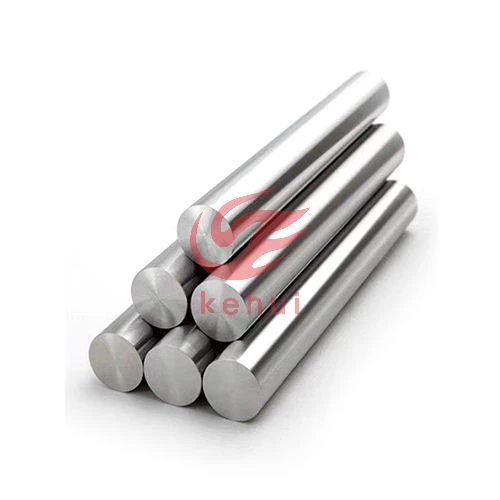
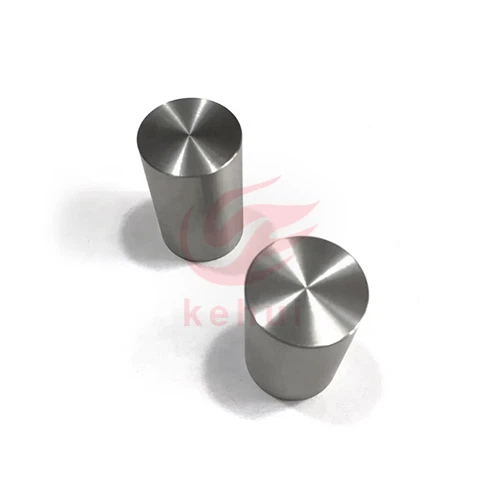
When it comes to chemical storage, selecting the right material is crucial to ensure the safety, integrity, and longevity of the stored chemicals. Titanium bars have emerged as a top choice due to their exceptional corrosion resistance, high strength-to-weight ratio, and biocompatibility. As a leading supplier of high-quality titanium bars, I am often asked about the best titanium bar for chemical storage. In this blog post, I will delve into the key factors to consider and recommend some of the top titanium bar options for chemical storage applications.
Factors to Consider When Choosing a Titanium Bar for Chemical Storage
Corrosion Resistance
The primary consideration when selecting a titanium bar for chemical storage is its corrosion resistance. Different chemicals have varying levels of aggressiveness, and the titanium bar must be able to withstand the specific chemical environment without significant degradation. Titanium is known for its excellent corrosion resistance in a wide range of environments, including acids, alkalis, and saltwater. However, the corrosion resistance can vary depending on the alloy composition and the specific chemical conditions.
Strength and Durability
In addition to corrosion resistance, the titanium bar must also have sufficient strength and durability to withstand the mechanical stresses associated with chemical storage. This includes the weight of the stored chemicals, the pressure exerted by the chemicals, and any external forces or impacts. Titanium has a high strength-to-weight ratio, which means it can provide excellent strength while remaining relatively lightweight. This makes it an ideal choice for applications where weight is a concern, such as in portable chemical storage containers.
Compatibility with Chemicals
It is essential to ensure that the titanium bar is compatible with the specific chemicals being stored. Some chemicals may react with titanium, leading to corrosion or other forms of degradation. Before selecting a titanium bar, it is important to consult with a chemical compatibility chart or a materials expert to determine the suitability of the titanium alloy for the intended chemical storage application.
Cost
Cost is also an important factor to consider when choosing a titanium bar for chemical storage. Titanium is generally more expensive than other metals, such as steel or aluminum. However, the long-term benefits of using titanium, such as its corrosion resistance and durability, can often outweigh the initial cost. When evaluating the cost of a titanium bar, it is important to consider the total cost of ownership, including the cost of installation, maintenance, and replacement over the life of the storage system.
Top Titanium Bar Options for Chemical Storage
Ti5Al-2.5Sn Titanium Alloy Bar
Ti5Al-2.5Sn Titanium Alloy Bar is a popular choice for chemical storage applications due to its excellent corrosion resistance and high strength. This alloy contains 5% aluminum and 2.5% tin, which enhances its mechanical properties and corrosion resistance. Ti5Al-2.5Sn is particularly resistant to corrosion in seawater and other chloride-containing environments, making it suitable for use in marine chemical storage facilities. It also has good weldability and formability, which allows for easy fabrication into various shapes and sizes.
GR5 Titanium Bar
GR5 Titanium Bar, also known as Ti-6Al-4V, is one of the most widely used titanium alloys in the world. It is known for its excellent combination of strength, corrosion resistance, and biocompatibility. GR5 is highly resistant to corrosion in a wide range of chemicals, including acids, alkalis, and saltwater. It is also commonly used in aerospace, medical, and chemical processing industries. The high strength and low density of GR5 make it an ideal choice for chemical storage applications where weight is a concern.
1kg Titanium Alloy Bar
1kg Titanium Alloy Bar is a versatile option for chemical storage applications. This bar is available in various titanium alloys, including Ti5Al-2.5Sn and GR5, and can be easily cut and fabricated to meet specific requirements. The 1kg size is convenient for small-scale chemical storage applications or for use as a sample or test piece. It is also a cost-effective option for those who need a small quantity of titanium bar for their chemical storage needs.
Conclusion
Selecting the best titanium bar for chemical storage requires careful consideration of several factors, including corrosion resistance, strength and durability, compatibility with chemicals, and cost. Ti5Al-2.5Sn, GR5, and 1kg titanium alloy bars are all excellent options for chemical storage applications, each offering unique advantages and characteristics. As a leading supplier of high-quality titanium bars, I can provide you with the expertise and guidance you need to select the right titanium bar for your specific chemical storage needs.
If you are interested in learning more about our titanium bars or would like to discuss your chemical storage requirements, please feel free to contact me. I look forward to working with you to find the best solution for your chemical storage needs.
References
- ASM Handbook, Volume 2: Properties and Selection: Nonferrous Alloys and Special-Purpose Materials. ASM International, 2001.
- Corrosion Resistance of Titanium Alloys. Titanium Information Group, 2008.
- Titanium and Titanium Alloys: A Technical Guide. ASM International, 2011.