


Hey there! As a supplier of Titanium Alloy Plate, I've dealt with all sorts of questions about these amazing materials. One of the most common queries I get is how to polish titanium alloy plates. So, I thought I'd share my knowledge and experiences on this topic in this blog post.
Why Polish Titanium Alloy Plates?
First off, you might be wondering why we even bother polishing titanium alloy plates. Well, there are a few good reasons. For one, a polished surface looks great. It gives the plate a sleek, professional appearance that can be really appealing, whether you're using it for decorative purposes or in a high - end industrial application.
Secondly, polishing can improve the corrosion resistance of the titanium alloy. A smooth, polished surface is less likely to trap moisture and contaminants, which can lead to corrosion over time. This means your titanium alloy plate will last longer and perform better in harsh environments.
Pre - polishing Preparation
Before you start polishing, you need to get your titanium alloy plate ready. The first step is cleaning. Use a mild detergent and warm water to remove any dirt, grease, or debris from the surface. You can use a soft cloth or a sponge for this. Make sure to rinse the plate thoroughly and dry it completely with a clean, lint - free cloth.
Next, inspect the plate for any scratches or dents. If you find any, you might want to do some light sanding to smooth them out. Start with a coarse - grit sandpaper, like 80 - 100 grit, and gradually move to finer grits, such as 220, 320, and 400 grit. This will create a more even surface for polishing. Remember to sand in one direction to avoid cross - scratching.
Choosing the Right Polishing Compounds
There are several types of polishing compounds available, and choosing the right one is crucial. For titanium alloy plates, a diamond - based polishing compound is often a great choice. Diamond compounds are very effective at removing small scratches and creating a high - gloss finish.
You can find diamond compounds in different grits, just like sandpaper. Start with a coarser grit, like 600 - 800 grit, to remove any remaining surface imperfections. Then, move on to finer grits, such as 1200, 1500, and 2000 grit, to achieve a mirror - like finish.
Another option is a cerium oxide polishing compound. Cerium oxide is less aggressive than diamond compounds and is great for the final stages of polishing. It can give your titanium alloy plate a smooth, shiny finish without causing any damage to the surface.
Polishing Techniques
Now, let's talk about the actual polishing process. You can use either a manual or a mechanical method, depending on the size of the plate and your personal preference.
Manual Polishing
If you're using a manual method, you'll need a polishing cloth or a buffing pad. Apply a small amount of the polishing compound to the cloth or pad. Then, start rubbing the compound onto the titanium alloy plate in a circular motion. Apply even pressure, but don't press too hard, as this can cause scratches.
Work in small sections at a time, and keep checking the surface to see how the polishing is progressing. As you move from coarser to finer grit compounds, make sure to clean the plate and the polishing cloth or pad between each step to avoid cross - contamination.
Mechanical Polishing
For larger plates or if you want a more consistent finish, a mechanical polisher is a better option. You can use a bench - top polisher or a handheld polisher. Attach a buffing wheel to the polisher, and apply the polishing compound to the wheel.
Start the polisher at a low speed and gradually increase it as you get used to the process. Move the plate across the buffing wheel in a smooth, continuous motion. Just like with manual polishing, work in small sections and change the compound as needed.
Post - polishing Care
Once you've finished polishing your titanium alloy plate, it's important to take good care of it. First, clean the plate again to remove any remaining polishing compound. You can use a mild detergent and warm water, followed by a rinse and a dry with a clean cloth.
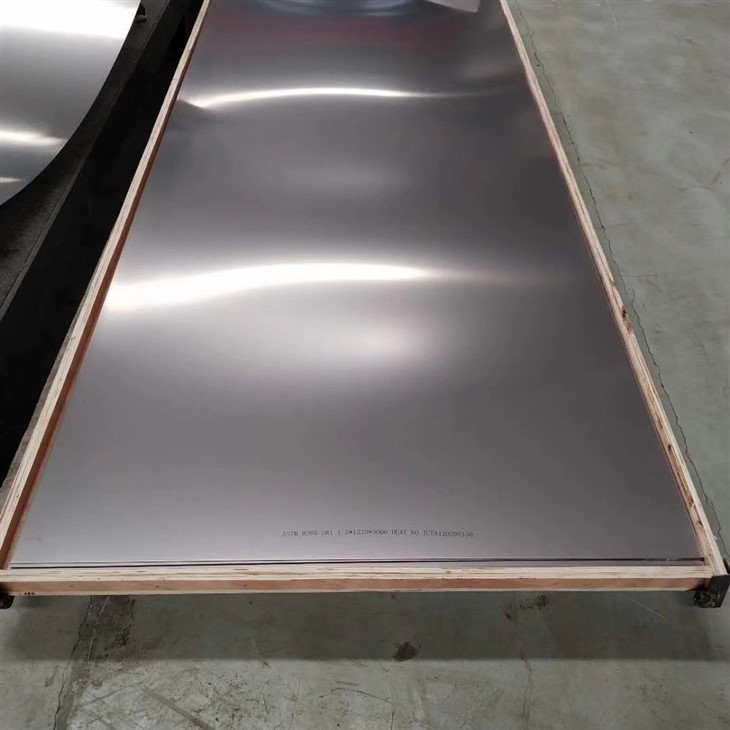

To protect the polished surface, you can apply a thin layer of wax or a protective coating. This will help prevent scratches and keep the plate looking shiny for longer.
Where to Find Quality Titanium Alloy Plates
As a supplier, I know how important it is to have access to high - quality titanium alloy plates. If you're in the market for some, you can check out our Titanium Plate/sheet. We also offer Cold Rolled Titanium Sheets and Ti6Al4V Titanium Alloy Foil, which are all made from top - notch materials and are perfect for a variety of applications.
Contact for Purchase and Negotiation
If you're interested in our titanium alloy plates or have any questions about the polishing process, don't hesitate to get in touch. We're always happy to help you find the right products for your needs and answer any of your queries. Whether you're a small - scale DIY enthusiast or a large - scale industrial buyer, we've got you covered.
References
- "Titanium: A Technical Guide" by John C. Williams
- "Metallurgy and Processing of Titanium Alloys" by David Eylon
So, that's it for my guide on how to polish titanium alloy plates. I hope you found this information helpful. If you have any more questions or need further advice, feel free to reach out.