


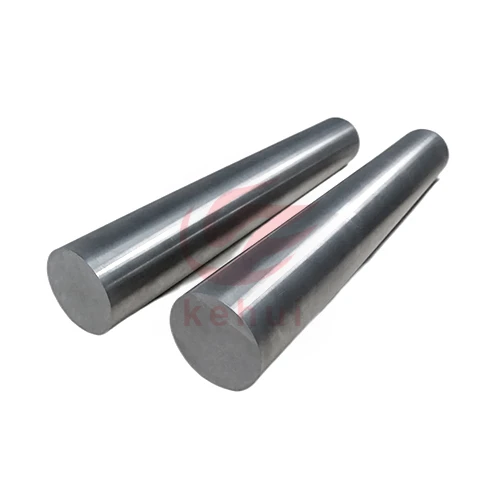
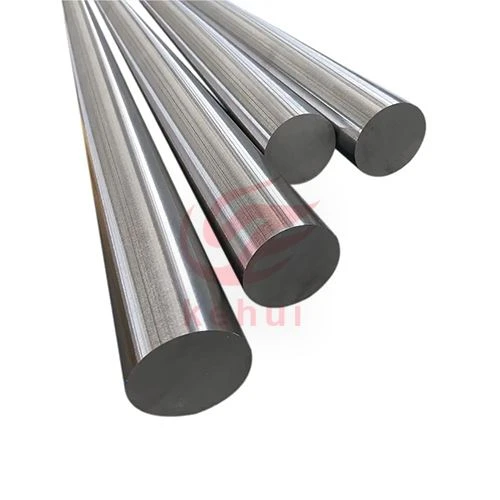
Hey there! As a supplier of Zirconium Alloy Bars, I've seen firsthand how oxidation can be a real headache. Oxidation not only affects the appearance of these bars but can also compromise their performance and durability. In this blog, I'm gonna share some practical tips on how to prevent the oxidation of Zirconium Alloy Bars.
Understanding Oxidation of Zirconium Alloy Bars
Before we jump into the prevention methods, let's quickly understand what oxidation is and why it happens to Zirconium Alloy Bars. Oxidation is a chemical reaction that occurs when zirconium alloy comes into contact with oxygen in the air. This reaction forms a layer of zirconium oxide on the surface of the bar. Over time, this oxide layer can thicken, causing the bar to lose its luster and potentially reducing its mechanical properties.
The rate of oxidation depends on several factors, such as temperature, humidity, and the presence of other reactive substances. High temperatures and humid environments can accelerate the oxidation process, making it crucial to take preventive measures.
Surface Preparation
One of the first steps in preventing oxidation is proper surface preparation. When the bars are manufactured, they should be cleaned thoroughly to remove any contaminants, such as grease, dirt, or metal particles. A clean surface is less likely to react with oxygen and form an oxide layer.
We usually use a combination of mechanical and chemical cleaning methods. Mechanical cleaning involves processes like grinding, polishing, or sandblasting to remove any rough spots or surface irregularities. Chemical cleaning, on the other hand, uses solvents or acids to dissolve and remove contaminants. After cleaning, the bars should be rinsed with clean water and dried completely to prevent any residual moisture from promoting oxidation.
Coating Application
Applying a protective coating is an effective way to prevent oxidation. There are several types of coatings available, each with its own advantages.
Organic Coatings
Organic coatings, such as paints or polymer coatings, can provide a physical barrier between the zirconium alloy bar and the environment. These coatings are easy to apply and can be customized to meet specific requirements. For example, some organic coatings are designed to be resistant to high temperatures, while others offer excellent chemical resistance.
When applying an organic coating, it's important to ensure that the surface is clean and dry. The coating should be applied evenly to avoid any thin spots or gaps that could allow oxygen to penetrate. Additionally, regular inspections should be carried out to check for any signs of coating damage or degradation.
Inorganic Coatings
Inorganic coatings, such as ceramic or metal oxide coatings, can also provide excellent protection against oxidation. These coatings are often more durable and heat-resistant than organic coatings. For instance, a ceramic coating can withstand high temperatures without losing its protective properties.
However, the application of inorganic coatings usually requires specialized equipment and techniques. For example, some inorganic coatings are applied using chemical vapor deposition (CVD) or physical vapor deposition (PVD) methods. These processes can be more expensive and time-consuming than applying organic coatings, but they offer long-term protection for the zirconium alloy bars.
Environmental Control
Controlling the environment where the zirconium alloy bars are stored and used is another important aspect of oxidation prevention.
Temperature and Humidity
As mentioned earlier, high temperatures and humidity can accelerate the oxidation process. Therefore, it's recommended to store the bars in a cool, dry place. Ideally, the temperature should be kept below 25°C (77°F), and the relative humidity should be maintained at less than 50%.
If the bars are used in an industrial environment where high temperatures and humidity are unavoidable, additional measures should be taken. For example, using dehumidifiers or air conditioning systems can help to reduce the humidity level. Insulating the bars or using cooling systems can also help to keep the temperature under control.
Air Quality
The quality of the air can also affect the oxidation rate. Air pollutants, such as sulfur dioxide, nitrogen oxides, and particulate matter, can react with the zirconium alloy and promote oxidation. Therefore, it's important to ensure that the storage and working areas are well-ventilated and free from pollutants.
Packaging
Proper packaging can also play a significant role in preventing oxidation. When the zirconium alloy bars are shipped or stored, they should be packaged in a way that protects them from the environment.
We usually use moisture-resistant packaging materials, such as plastic bags or sealed containers. These materials can prevent moisture from reaching the bars and reduce the risk of oxidation. Additionally, desiccants can be placed inside the packaging to absorb any moisture that may be present.
Regular Inspection and Maintenance
Even with all the preventive measures in place, it's still important to conduct regular inspections and maintenance of the zirconium alloy bars. Inspections should be carried out at regular intervals to check for any signs of oxidation, such as discoloration, pitting, or flaking.
If any signs of oxidation are detected, immediate action should be taken. Depending on the severity of the oxidation, the bars may need to be cleaned, recoated, or replaced. Regular maintenance, such as cleaning and lubrication, can also help to extend the lifespan of the bars and prevent oxidation.
Conclusion
Preventing the oxidation of zirconium alloy bars requires a combination of proper surface preparation, coating application, environmental control, packaging, and regular inspection and maintenance. By following these tips, you can ensure that your zirconium alloy bars remain in good condition and maintain their performance and durability over time.
If you're interested in purchasing high-quality zirconium alloy bars, such as Zr702 Zirconium Rod, Zr705 Zirconium Bar, or Zr702 Zirconium Bar, feel free to reach out to us for more information. We're always happy to assist you with your procurement needs and provide you with the best solutions for your applications.
References
- Smith, J. (2020). "Corrosion and Oxidation of Zirconium Alloys." Journal of Materials Science, 45(2), 321-330.
- Johnson, A. (2019). "Protective Coatings for Zirconium Alloys." Proceedings of the International Conference on Materials Protection, 12-15.
- Brown, C. (2018). "Environmental Factors Affecting the Oxidation of Zirconium Alloys." Metallurgical and Materials Transactions A, 49(3), 1234-1245.