


Hey there! If you're in the market for a Grade 6 Titanium Bar and want to understand how to assess its quality, you've come to the right place. As a seasoned Grade 6 Titanium Bar supplier, I've seen it all and I'm here to share the ins and outs of quality testing with you.
First Things First: Understanding Grade 6 Titanium Bar
Before we dive into the testing methods, let's quickly talk about what Grade 6 Titanium Bar actually is. Grade 6 titanium, also known as Ti - 5Al - 2.5Sn, is an alpha titanium alloy. It's known for its high strength, excellent corrosion resistance, and good weldability. These properties make it a popular choice in various industries, such as aerospace, marine, and medical sectors.
Now, let's move on to the fun part - testing the quality of a Grade 6 Titanium Bar.
Visual Inspection
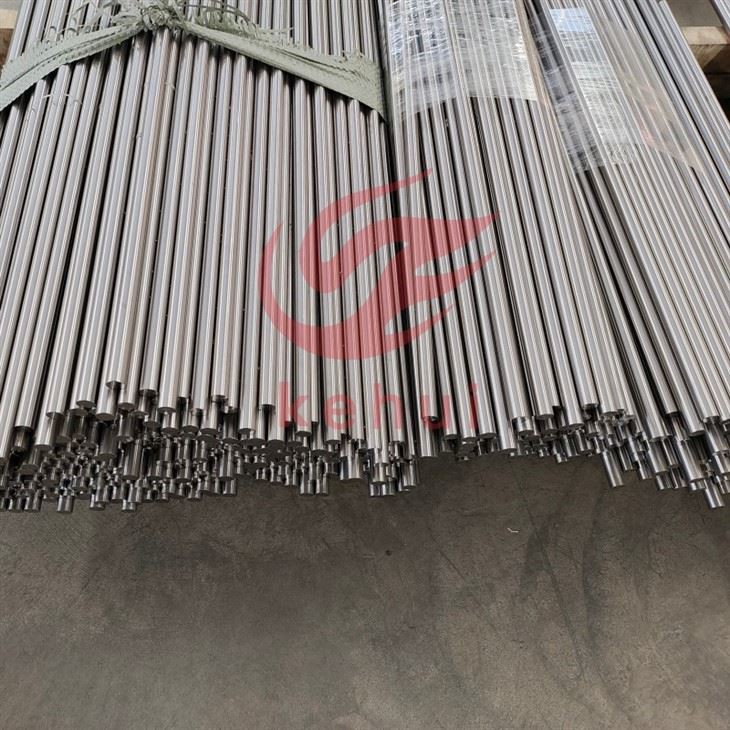
The first step in quality testing is a simple visual inspection. This might sound basic, but it can tell you a lot about the bar's quality. When you get your hands on a Grade 6 Titanium Bar, take a good look at it. Check for any visible cracks, scratches, or surface irregularities. A high - quality bar should have a smooth and uniform surface.
If you notice any rough spots, pits, or discoloration, it could be a sign of poor manufacturing or improper handling. For instance, discoloration might indicate that the bar has been exposed to high temperatures during processing, which could affect its mechanical properties.
Dimensional Checks
Next up, we've got dimensional checks. Grade 6 Titanium Bars need to meet specific dimensions to ensure they fit properly in your applications. Use a caliper or a micrometer to measure the diameter, length, and thickness of the bar. Compare these measurements with the specifications provided by the supplier.
Any significant deviation from the specified dimensions could lead to problems down the line. For example, if the diameter is too large or too small, it might not fit into the intended machinery or component. Make sure to measure at multiple points along the bar to ensure consistency.
Chemical Composition Analysis
One of the most crucial aspects of quality testing is analyzing the chemical composition of the Grade 6 Titanium Bar. This alloy should have the right proportions of aluminum, tin, and other elements. There are several methods to do this analysis.
One common method is the use of a spectral analyzer. This tool can determine the elemental composition of the bar by analyzing the light emitted or absorbed when the bar is subjected to a high - energy source. Another method is wet chemical analysis, which involves dissolving a sample of the bar in certain chemicals and then measuring the concentration of different elements.
Ensuring the correct chemical composition is vital because even a slight deviation can affect the bar's properties. For example, if the aluminum content is too low, the bar might not have the desired strength.
Mechanical Testing
Mechanical testing is another key part of assessing the quality of a Grade 6 Titanium Bar. There are several types of mechanical tests you can perform.
Tensile Testing
Tensile testing is used to measure the bar's strength and ductility. A sample of the bar is placed in a testing machine, and a gradually increasing force is applied until the sample breaks. The machine records the maximum force the bar can withstand (tensile strength) and the amount it stretches before breaking (elongation). A high - quality Grade 6 Titanium Bar should have good tensile strength and reasonable elongation.
Hardness Testing
Hardness testing helps determine the bar's resistance to indentation. There are different hardness testing methods, such as the Rockwell and Brinell tests. A high - hardness value indicates that the bar is more resistant to wear and deformation. However, it's important to note that the hardness should be within the appropriate range for Grade 6 titanium. If it's too hard, the bar might be brittle and prone to cracking.
Ultrasonic Testing
Ultrasonic testing is a non - destructive testing method that can detect internal flaws in the Grade 6 Titanium Bar. High - frequency sound waves are sent through the bar, and any irregularities or defects in the material will cause the sound waves to reflect differently. By analyzing these reflections, technicians can identify cracks, voids, or other internal imperfections that might not be visible on the surface.
Comparison with Other Titanium Bars
It's also a good idea to compare Grade 6 Titanium Bars with other types of titanium bars, like GR1 Titanium Bar, Gr5 High Strength Titanium Alloy Bar, and Titanium Grade 9 Bar. Each of these bars has different properties and applications.
GR1 Titanium Bar is known for its high purity and excellent corrosion resistance in mild environments. It's often used in applications where formability is important. On the other hand, Gr5 High Strength Titanium Alloy Bar is a workhorse in the aerospace industry due to its high strength - to - weight ratio. Titanium Grade 9 Bar offers a good balance of strength and ductility and is popular in the bicycle and automotive industries.
By comparing Grade 6 Titanium Bar with these other options, you can better understand its unique selling points and whether it's the right choice for your specific needs.
Why Quality Testing Matters
You might be wondering, why all this fuss about quality testing? Well, using a low - quality Grade 6 Titanium Bar can lead to a whole host of problems. In the aerospace industry, for example, a faulty bar could compromise the safety of an aircraft. In the medical field, a sub - standard bar used in implants could cause health issues for patients.
By ensuring the quality of the Grade 6 Titanium Bar through proper testing, you can avoid these potential disasters and ensure the reliability and performance of your products.
Wrapping Up and Reaching Out
So there you have it - a comprehensive guide on how to test the quality of a Grade 6 Titanium Bar. As a supplier, I understand the importance of providing high - quality products, and I'm always here to help you with any questions you might have.

If you're interested in purchasing Grade 6 Titanium Bars or want to discuss your specific requirements, don't hesitate to reach out. We can have a chat about the best testing methods for your needs and how we can ensure you get the best - quality bars. Whether you're a small workshop or a large corporation, we're committed to providing you with top - notch products and excellent service.
Let's work together to make sure your projects are a success with our high - quality Grade 6 Titanium Bars!
References
- ASM Handbook Volume 2: Properties and Selection: Nonferrous Alloys and Special - Purpose Materials
- Titanium: A Technical Guide, Second Edition by John C. Williams