


Hey there! As a supplier of titanium alloy plates, I often get asked about the common sizes of these amazing materials. Titanium alloy plates are used in a wide range of industries, from aerospace and automotive to medical and marine. Their unique properties, like high strength, low density, and excellent corrosion resistance, make them a top choice for many applications. So, let's dive into the details of the common sizes you can find in the market.
Thickness
The thickness of titanium alloy plates can vary significantly depending on the application. For thin - gauge applications, such as in the electronics industry or for some medical devices, you might see plates as thin as 0.5mm. These thin plates are flexible and can be easily formed into different shapes.
On the other hand, for heavy - duty applications like aerospace structural components or high - pressure vessels, the thickness can go up to 100mm or even more. However, most commonly, the thickness of titanium alloy plates we deal with ranges from 2mm to 20mm. This range covers a vast majority of applications, from general industrial use to more specialized projects. For example, a Ti - 6Al - 4V Titanium Sheet, which is one of the most popular titanium alloys, is often available in thicknesses within this common range.
Width
When it comes to width, titanium alloy plates also come in a variety of sizes. The minimum width you can usually find is around 100mm. This narrow width is useful for applications where space is limited or for creating small - sized components.
The maximum width can go up to 3000mm. But in most cases, the common width range is between 1000mm and 2000mm. A wider plate is beneficial when you need to fabricate large - scale structures without having to join multiple smaller plates together. For instance, in the construction of large marine vessels or some industrial machinery, wider plates can save time and reduce the number of joints, which in turn improves the overall integrity of the structure.
Length
The length of titanium alloy plates is another important dimension. The shortest length you might encounter is about 500mm. These shorter plates are handy for small - scale projects or for testing purposes.
On the long end, plates can be as long as 6000mm. However, the common length range is typically from 2000mm to 4000mm. This length range is suitable for a wide variety of applications, as it allows for flexibility in cutting and fabrication. Whether you're making small parts or larger structures, you can easily cut the plates to the required size from within this common length range.
Standard Sizes and Custom Sizes
There are some standard sizes that are widely available in the market. These standard sizes are often stocked by suppliers because they meet the needs of a large number of customers. For example, a common standard size might be a plate with a thickness of 5mm, a width of 1500mm, and a length of 3000mm.
But here's the good news! As a supplier, we also offer custom - sized titanium alloy plates. If you have a specific project that requires a non - standard size, we can work with you to produce the exact dimensions you need. Whether it's a very thin and wide plate or a thick and long one, we have the capabilities to manufacture it for you.
Applications and Size Requirements
Different applications have different size requirements for titanium alloy plates. In the aerospace industry, for example, precision is key. Plates used in aircraft structures need to be cut to very specific sizes to ensure a perfect fit. The thickness, width, and length are all carefully calculated to meet the strict safety and performance standards of the aerospace sector.
In the medical field, titanium alloy plates are used for implants. These plates are usually smaller in size, with thinner thicknesses. The Titanium Plate GR3 is often used in medical applications due to its excellent biocompatibility. The size of these medical plates is tailored to the specific part of the body where they will be implanted.
The automotive industry also uses titanium alloy plates, mainly for high - performance parts. The size requirements here can vary depending on the component. For example, engine parts might require smaller and more precisely sized plates, while body panels could be larger.
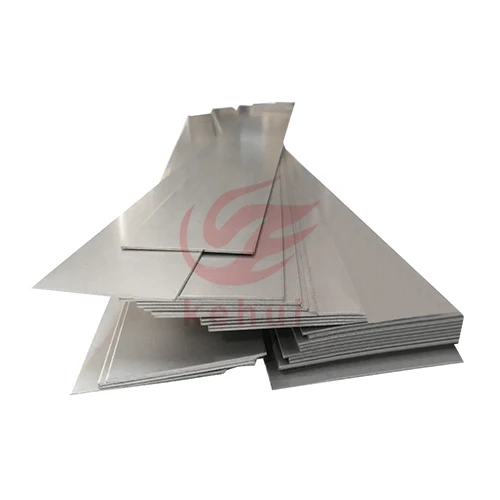

Quality and Size
It's important to note that the quality of the titanium alloy plate is not affected by its size. Whether you're getting a small or large plate, we ensure that it meets the highest quality standards. We use advanced manufacturing processes and strict quality control measures to guarantee that every plate we supply is of top - notch quality.
For example, our Gr2 Titanium Plate goes through a series of tests, including chemical composition analysis, mechanical property testing, and surface inspection, regardless of its size. This ensures that you get a reliable and high - quality product for your application.
Contact Us for Your Titanium Alloy Plate Needs
If you're in the market for titanium alloy plates, whether you need a standard size or a custom - made one, we're here to help. We have a wide range of products in stock and the ability to produce plates according to your specific requirements. Don't hesitate to reach out to us for more information or to start a purchase negotiation. We're committed to providing you with the best products and services.
References
- "Titanium: A Technical Guide" by John C. Williams
- "Handbook of Titanium Alloys" edited by Yuri M. Koltypin